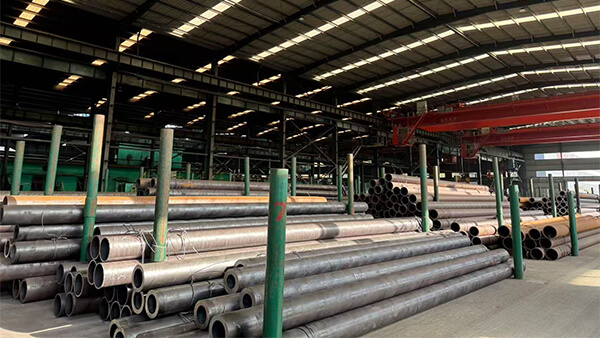
In engineering projects, equipment manufacturing, and the energy sector, the selection of carbon steel pipes directly impacts the safety, efficiency, and service life of the entire system. However, many procurement decision-makers and engineers often fall into traps during the selection process—either focusing solely on price or ignoring key parameters. This results in carbon steel pipes that fail to truly meet project requirements. If you’re also struggling with this issue, the problem likely lies in the following aspects.
Ignore the Precise Reference Value of the Carbon Steel Pipe Size Comparison Table
Carbon steel pipes are available in a wide range of sizes. Different outer diameters, wall thicknesses, and lengths directly affect their pressure-bearing capacity, fluid flow rate, and structural strength. Many users rely on empirical estimates or verbal recommendations, while neglecting to consult a systematic carbon steel pipe size comparison table. Such charts not only clearly list nominal sizes, actual outer diameters, and wall thickness tolerances, but also link different specifications to their applicable scenarios. For example, insufficient wall thickness in high-pressure hydraulic systems may lead to pipe burst risks. In structural support applications, oversized pipes can result in unnecessary material and shipping costs. Accurately referring to the size table is the first step in pipe selection and the key to avoiding rework later.
Fail to Obtain Professional Support from Reliable Carbon Steel Pipe Suppliers
There are numerous carbon steel pipe suppliers in the market, but their professional levels vary greatly. Excellent suppliers don’t just provide products. They also recommend the most suitable materials and specifications based on your specific application environment, such as corrosive media, temperature fluctuations, and pressure cycles. For instance, ASTM A106 Grade B seamless steel pipes are suitable for high-temperature working conditions. Meanwhile, A53 Grade B welded pipes are mostly used for low-pressure general transportation. If a supplier cannot provide detailed material certificates, dimensional tolerance tables, and technical support, you may unknowingly use mismatched carbon steel pipe materials, laying hidden dangers for your project.
Insufficient Understanding of the Characteristics of Carbon Steel Seamless Pipes
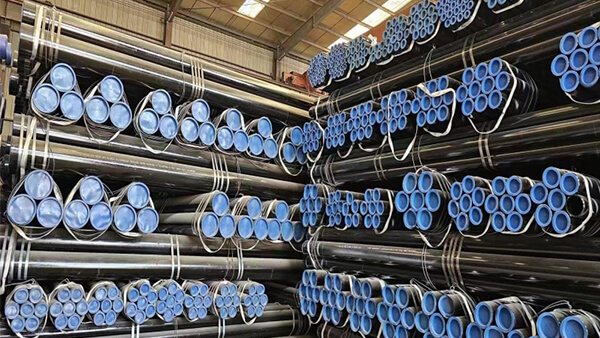
Carbon steel seamless pipes feature a uniform metal structure and no welds. They excel in strength, sealing performance, and pressure resistance, making them widely used in critical piping systems in the oil, gas, chemical, and power industries. However, some users, due to cost considerations, mistakenly select welded pipes for high-pressure, high-frequency pulse, or low-temperature impact environments. This leads to premature failure or leakage. Understanding the performance advantages of seamless pipes in extreme working conditions and correctly including them in the selection scope is an important guarantee for the reliable operation of the system.
Fail to Systematically Evaluate the Compatibility Between Carbon Steel Pipe Materials and Project Environments
In addition to size, the selection of carbon steel pipe materials is equally crucial. Based on carbon content and trace elements, carbon steel is divided into low-carbon steel, medium-carbon steel, high-carbon steel, etc. These types vary significantly in strength, hardness, and weldability. For example, in corrosive environments, without appropriate surface treatments such as galvanizing, plastic coating, or anti-corrosion paint spraying, even pipes with correct sizes may fail due to rapid corrosion. Therefore, it is necessary to systematically evaluate materials based on medium characteristics, ambient temperature, and service life requirements.
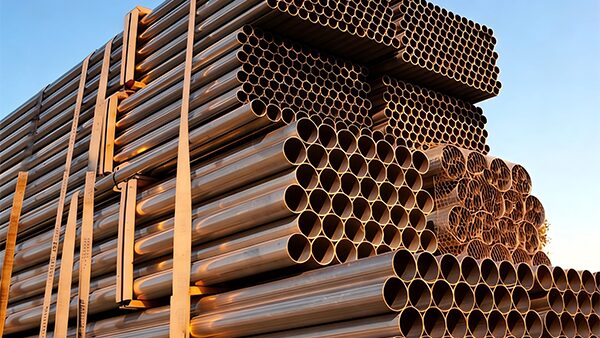
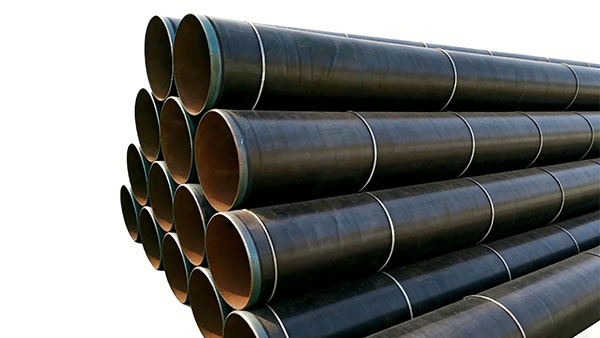
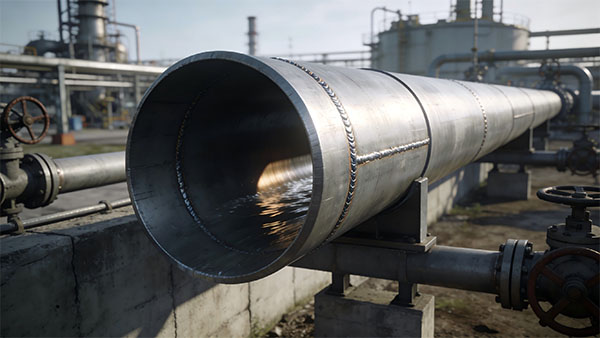
How to Ensure You Choose the Right Carbon Steel Pipe Every Time?
- Query the size table precisely: In the early stage of selection, be sure to refer to the complete carbon steel pipe size and weight comparison table in accordance with project standards such as ANSI/ASME, EN, and GB to accurately calculate the required specifications.
- Establish cooperation with professional suppliers: Choose carbon steel pipe suppliers with technical consulting capabilities, who can provide full-process selection support and quality assurance to control material quality from the source.
- Clarify application scenario requirements: Clearly communicate information such as pressure rating, operating temperature, medium properties, and installation methods. This allows suppliers to recommend the most suitable product types, including seamless pipes, welded pipes, and galvanized pipes.
- Attach importance to quality documents and certifications: Require suppliers to provide material certificates, non-destructive testing reports, and relevant certifications such as ISO and API. Ensure that every steel pipe is traceable and verifiable.
Conclusion
Choosing the right pipe safeguards the entire system. We are committed to providing customers with comprehensive carbon steel pipe selection support, precise dimensional parameters, and high-quality carbon steel seamless pipe products. No matter which industry you are in or what the project scale is, we can customize safe, reliable, and cost-optimized pipe solutions for you.
If you want to learn more about the key points of carbon steel pipe selection, or need to obtain the latest carbon steel pipe size table and technical support, please feel free to contact us! Let professionalism be the solid backing for your project success.