Introduce
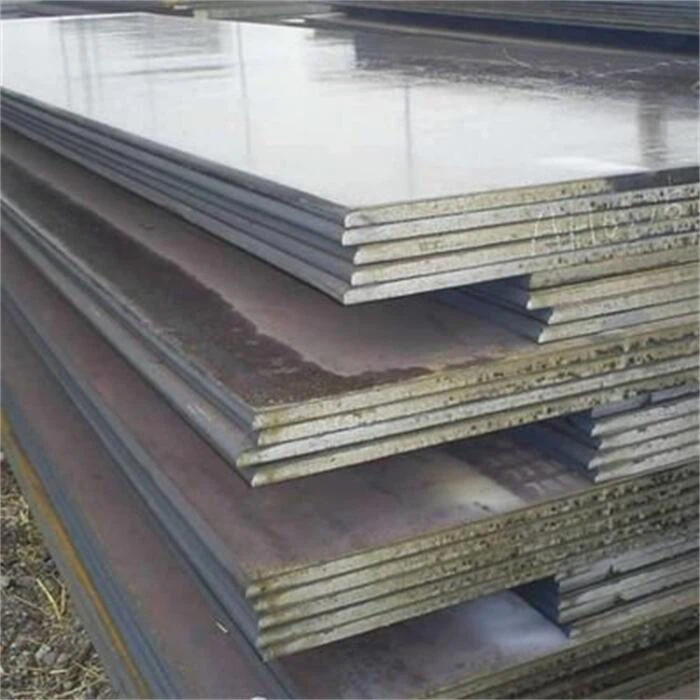
Q235 is a common carbon structural steel widely used in construction and manufacturing. Its name originates from the Chinese standard GB/T 700-2006, where “Q” represents the yield strength of the material, and “235” indicates a yield strength value of approximately 235 MPa. This steel offers good plasticity, toughness, weldability, and machinability, along with relatively low cost, making it a popular choice across various global industries.
Grade Composition and Classification
The main chemical composition of Q235 steel includes:
- Carbon (C): 0.14%–0.22%
- Manganese (Mn): 0.30%–0.70%
- Silicon (Si): 0.10%–0.50%
- Sulfur (S): ≤ 0.050%
- Phosphorus (P): ≤ 0.045%
Its low carbon content ensures good weldability and workability, while manganese and silicon enhance its strength and toughness, respectively.
Based on impact temperature and deoxidation method, Q235 steel is classified into four grades: A, B, C, and D:
Grade A and Grade B: Have relatively low sulfur and phosphorus content. Deoxidation methods can be rimmed steel (F), semi-killed steel (b), or killed steel (Z).
Grade C: Only killed steel (Z) is used, with even lower sulfur and phosphorus content.
Grade D: Only special killed steel (TZ) is used, with the lowest sulfur and phosphorus content.
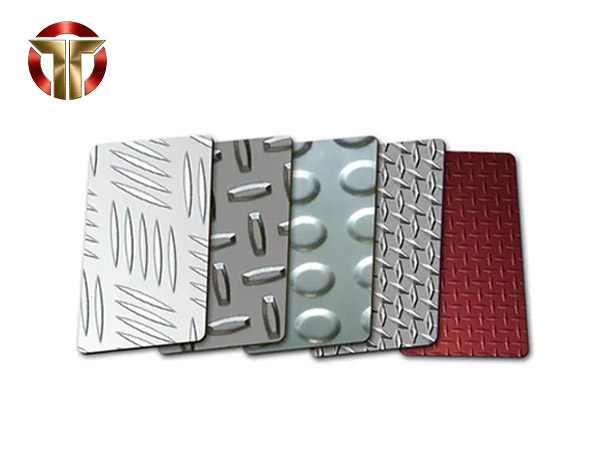
Furthermore, suppliers like Jintuo Metal Materials can provide Q235 steel in custom sizes and shapes, along with processing services such as hot rolling, cold rolling, cutting, and drilling to meet the specific requirements of different projects.
Heat Treatment Characteristics
Q235 steel is typically used without heat treatment, with a quenching temperature of approximately 950°C. The material is generally applied in its as-rolled or processed condition, making it suitable for most ordinary structural applications that do not require additional heat treatment.
Key Application Areas
Due to its favorable overall properties, Q235 carbon steel is widely used in the following areas:
Building Structures: For beams, columns, steel frames, etc.
Bridges and Overpasses: Suitable for structures requiring good weldability and toughness.
Machinery Manufacturing: Used in structural components such as chassis and frames for construction machinery, mining equipment, and heavy-duty vehicles.
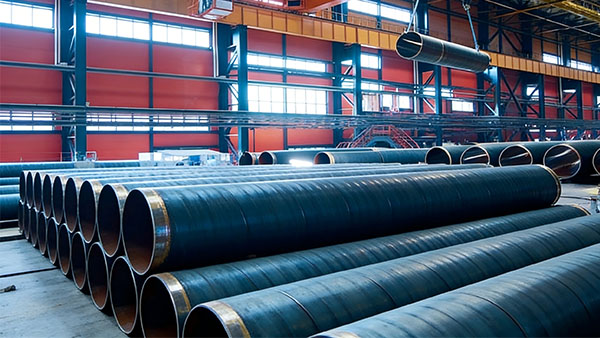
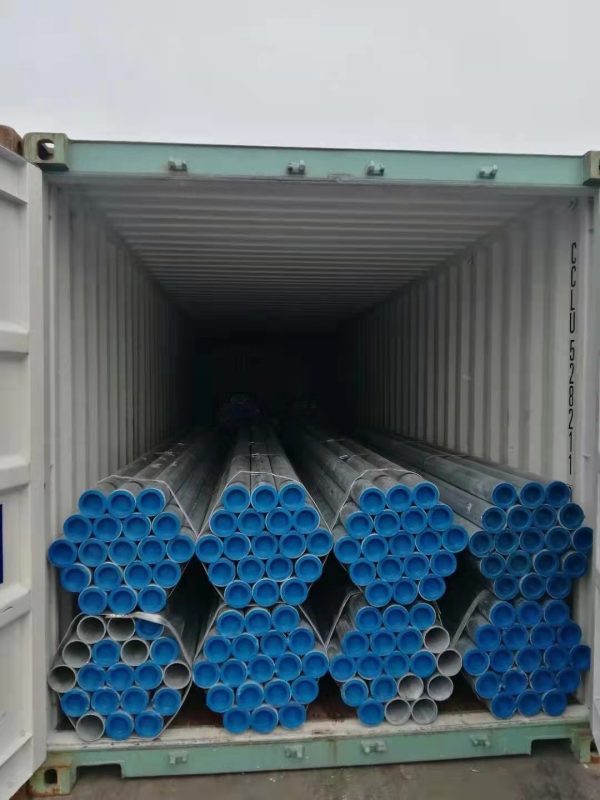
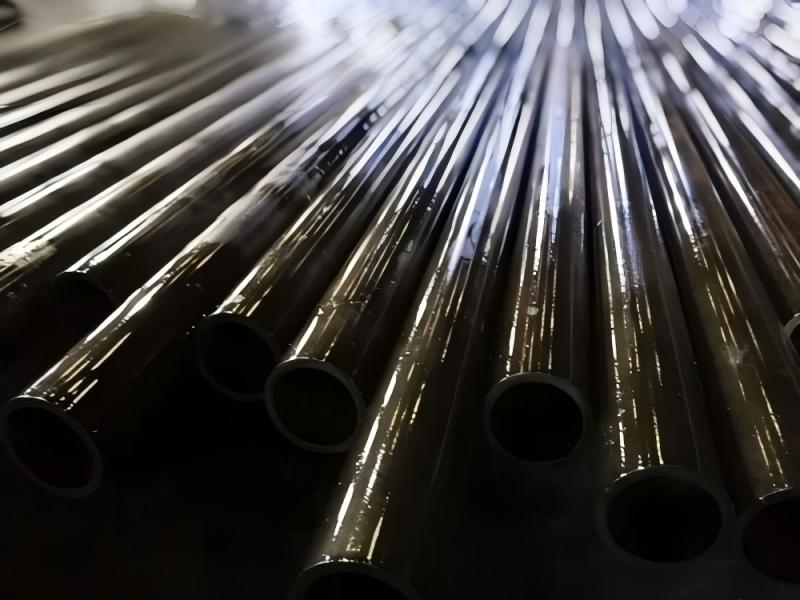
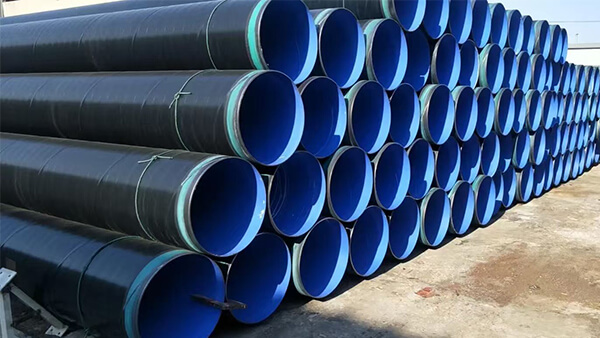
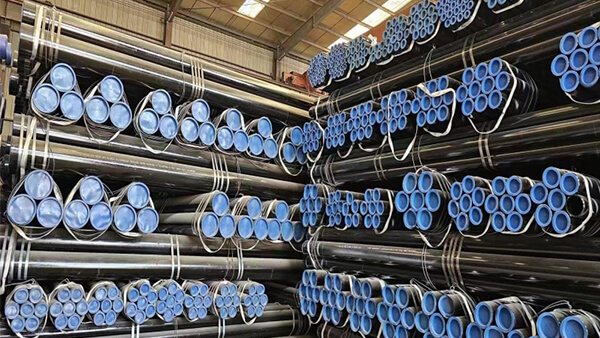
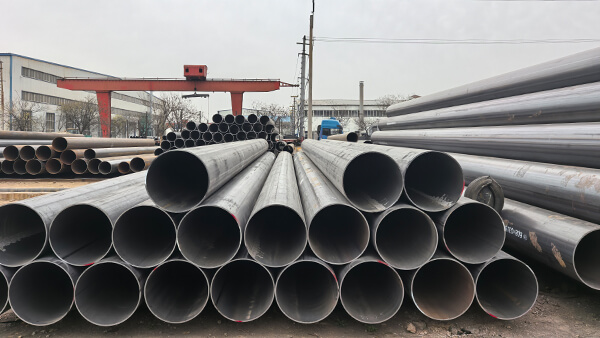
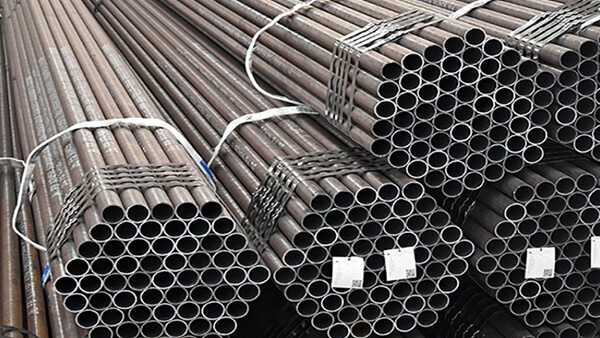
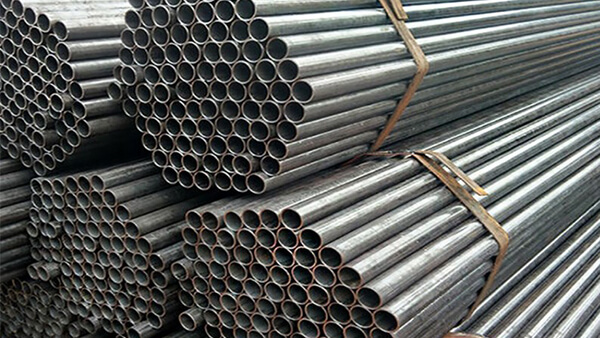
Pipeline Systems: For manufacturing pipeline components transporting gases or liquids.
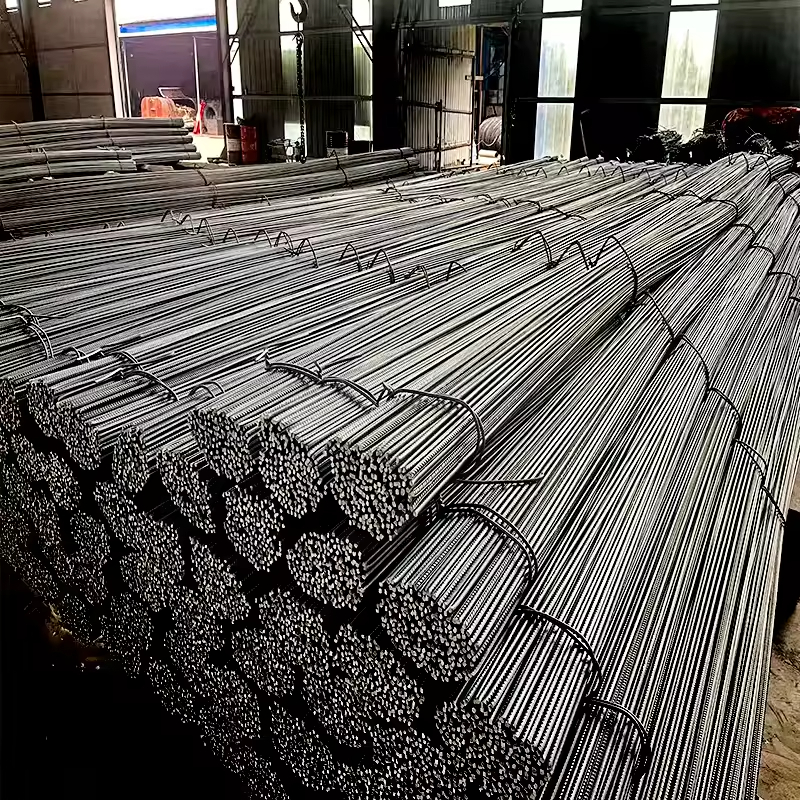
Everyday Tools and Components: Such as grinding tool handles, hot-rolled smooth round bars, formwork, etc.
It should be noted that welded joints made of Q235 steel are prone to cracking under dynamic loads, and the material is not suitable for low-temperature working environments, where hardening may occur.
International Equivalent Materials
In the international market, Q235 is often equivalent to steel grades from other standards. The following is a comparison table of common equivalent materials:
| Standard | Equivalent Grade | Region | Yield Strength | Tensile Strength |
| ASTM A36 | A36 Steel | USA | 250 MPa | 400–550 MPa |
| EN 10025-2 | S235JR | Europe | 235 MPa | 360–510 MPa |
| JIS G3101 | SS400 | Japan | 245 MPa | 400–510 MPa |
| BS 4360 | 43A | UK | 235 MPa | 360–510 MPa |
| ISO 630 | St37-2 | International | 235 MPa | 370–510 MPa |
These equivalent materials share similar mechanical properties and chemical compositions and can be used interchangeably in many engineering and construction projects. However, it is essential to verify that they meet the specific technical requirements of the project before use.
Advantages and Considerations
Advantages:
- Cost-effective, suitable for budget-sensitive projects.
- Highly versatile, easy to weld and form.
- Offers good durability for medium-load structures.
Considerations:
- Not suitable for heavy-duty or extreme environment applications.
- Risk of cracking in welded structures under dynamic loads.
- Performance declines in low-temperature environments.
Frequently Asked Questions
Both are low-carbon steels with similar mechanical properties. A36 is commonly used in the USA and international markets, has slightly higher carbon content, and is somewhat less weldable than Q235.
It is not recommended. For heavy-duty or high-strength requirements, materials like Q345 or ASTM A992 are more appropriate.
Yes, common equivalents include ASTM A36 (USA), S235JR (Europe), and SS400 (Japan), among others.
Conclusion
Q235 steel and its international equivalents play a vital role in the global construction and manufacturing industries. By understanding their composition, classification, properties, applications, and equivalencies, engineers and manufacturers can more accurately select materials suitable for their projects, achieving an optimal balance of cost, strength, and workability. As global trade deepens, understanding steel equivalencies will help improve material selection efficiency and the overall reliability of projects.
Jintuo Metal Materials, a manufacturer certified to ISO9001:2015, TUV, SGS, and CE standards with an annual output of 300,000 tons, is committed to providing high-quality Q235 steel and related carbon steel products, along with professional consultation and customization services. We welcome inquiries and look forward to cooperation.