SS400 Steel Plate Buying Guide: Specifications, Properties, Sizes, and Supplier Selection
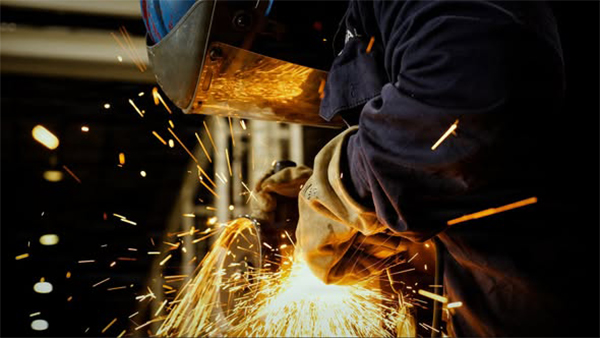
SS400 steel plate is one of the most widely used structural steel plates in the global market. Defined by the Japanese standard JIS G3101, SS400 is commonly used in construction, machinery manufacturing, shipbuilding, and steel structure fabrication.
Because of its good weldability, stable mechanical performance, and cost efficiency, SS400 plates are widely exported and used across Asia, the Middle East, Africa, and South America.
This guide will help engineers, buyers, and importers understand:
SS400 steel plate specifications
Chemical composition and mechanical properties
Available sizes and thickness ranges
Equivalent steel grades (Q235, A36, S235JR)
Key factors when purchasing SS400 plates
What is SS400 Steel Plate?
SS400 steel plate is a hot-rolled carbon structural steel plate produced according to the JIS G3101 standard.
The designation meaning:
SS – Structural Steel
400 – Minimum tensile strength of 400 MPa
Unlike some international steel grades that are named by yield strength, SS400 is classified based on tensile strength performance.
Because of its balanced strength and ductility, SS400 plates are commonly used for general structural applications where extreme strength is not required.
Chemical Composition of SS400 Steel Plate
The JIS G3101 standard mainly controls harmful impurities to ensure weldability and structural performance.
Typical chemical composition limits:
| Element | Max Content |
| Phosphorus (P) | ≤ 0.050% |
| Sulfur (S) | ≤ 0.050% |
Although carbon is not strictly specified in the standard, in actual production the carbon content usually ranges between 0.15% and 0.20%.
This relatively low carbon content provides: Good weldability, Good formability, Easy machining
Mechanical Properties of SS400 Plate
The mechanical properties of SS400 vary depending on plate thickness.
| Thickness | Yield Strength | Tensile Strength | Elongation |
| ≤16 mm | ≥245 MPa | 400–510 MPa | ≥17% |
| 16–40 mm | ≥235 MPa | 400–510 MPa | ≥21% |
| 40–100 mm | ≥215 MPa | 400–510 MPa | ≥23% |
| >100 mm | ≥205 MPa | 400–510 MPa | varies |
These properties allow SS400 plates to maintain good ductility and load-bearing capacity in structural applications.
Standard Sizes of SS400 Steel Plates
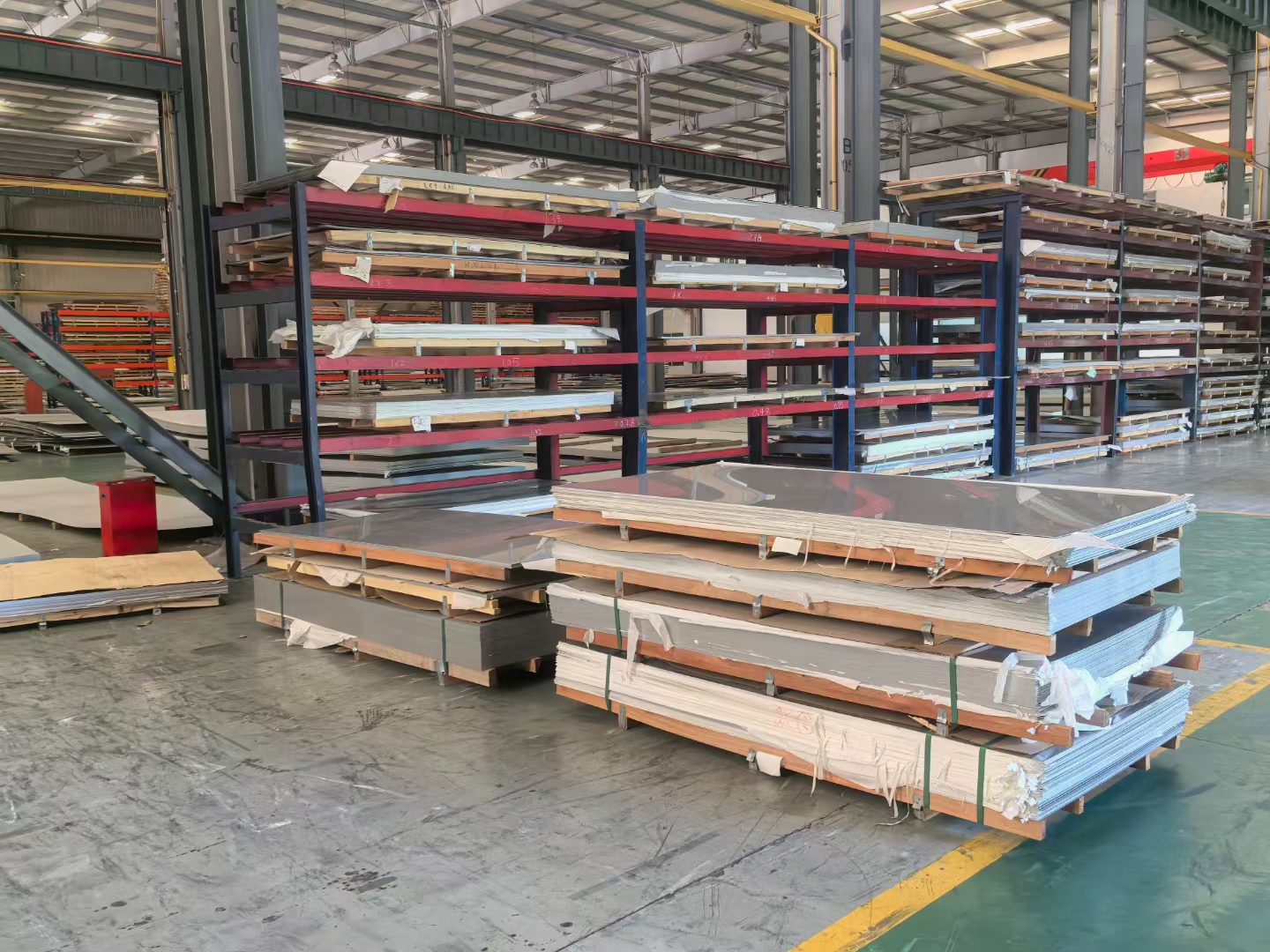
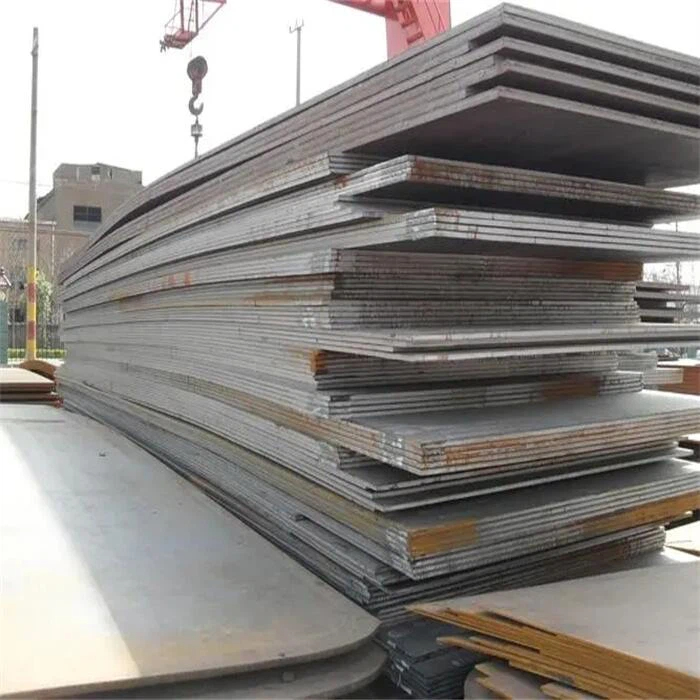
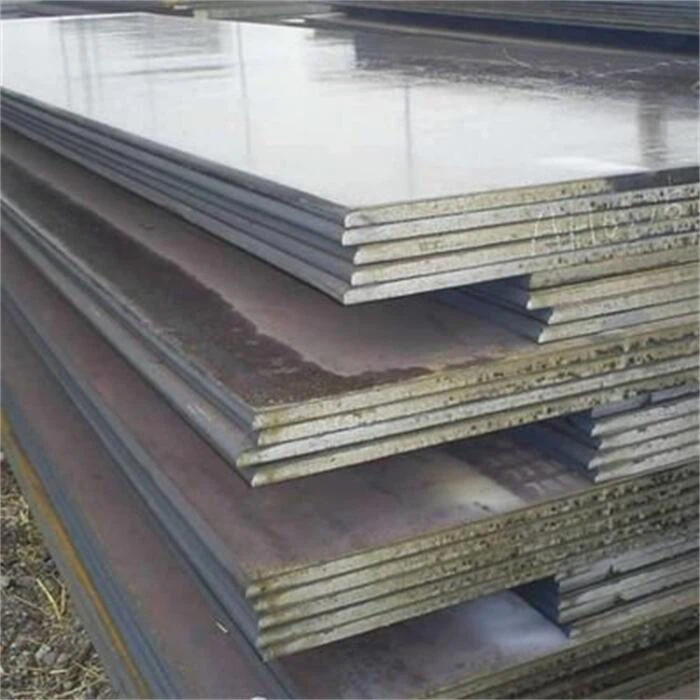
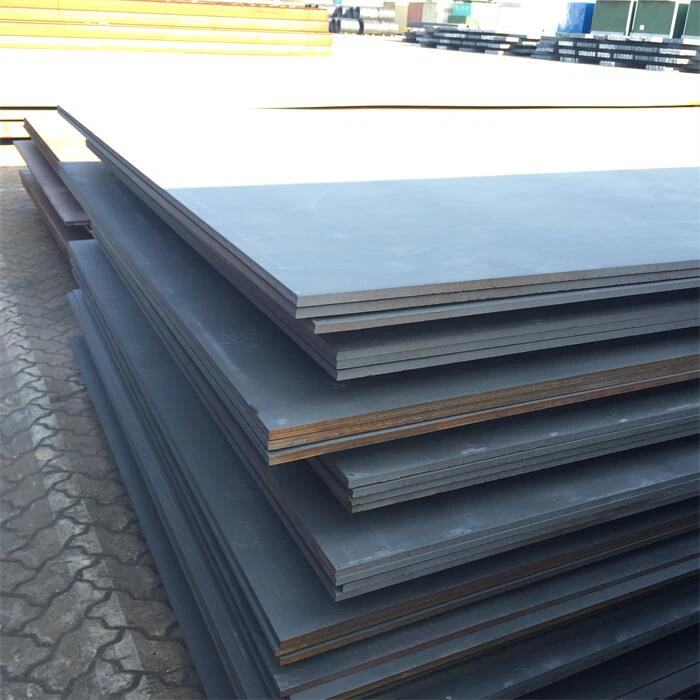
SS400 steel plates are available in a wide range of thicknesses and dimensions.
Typical thickness range
6 mm – 300 mm
Common plate widths:1500 mm,1800 mm,2000 mm,2200 mm,2500 mm,
Typical plate lengths:6000 mm,9000 mm,12000 mm,
Custom cutting services are often available depending on supplier capabilities.
Equivalent Grades of SS400 Plate
SS400 has several equivalent structural steel grades used in different international standards.
| Standard | Equivalent Grade |
| China GB | Q235B |
| ASTM | A36 |
| EN | S235JR |
| ISO | Fe360 |
Although these grades have similar mechanical performance, their chemical composition and certification requirements may differ.
For engineering projects, material equivalency should always be confirmed by engineers.
Common Applications of SS400 Steel Plate
SS400 plates are widely used in structural fabrication and industrial manufacturing.
Construction Industry
Steel building frames
Structural beams and columns
Industrial plant structures
Transmission towers
Bridge Engineering
Bridge decks
Structural supports
Reinforcement components
Machinery Manufacturing
Equipment frames
Industrial machine parts
Structural supports
Shipbuilding and Fabrication
Ship structural components
Deck structures
Marine equipment platforms
Advantages of SS400 Steel Plates
SS400 remains popular in global engineering projects due to several advantages:
Cost-effective structural steel
SS400 is generally cheaper than many alloy steels.
Excellent weldability
Low carbon content allows easy welding.
Good formability
Suitable for bending, cutting, and fabrication.
Wide availability
SS400 is produced by many steel mills worldwide.
Key Factors When Buying SS400 Steel Plate
Purchasing structural steel plates requires careful consideration of several factors.
1. Material Certification
Always request a Mill Test Certificate (MTC) to verify:
Chemical composition
Mechanical properties
Heat number traceability
2. Plate Thickness Tolerance
Check whether the supplier follows:
JIS tolerance standards
ASTM plate tolerances
Thickness tolerance can affect structural performance.
3. Surface Condition
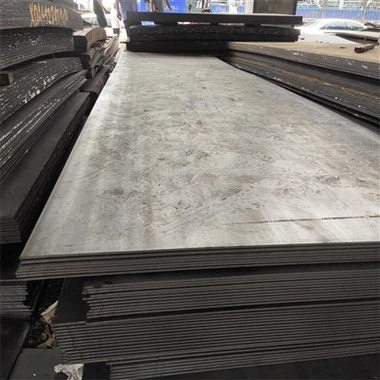
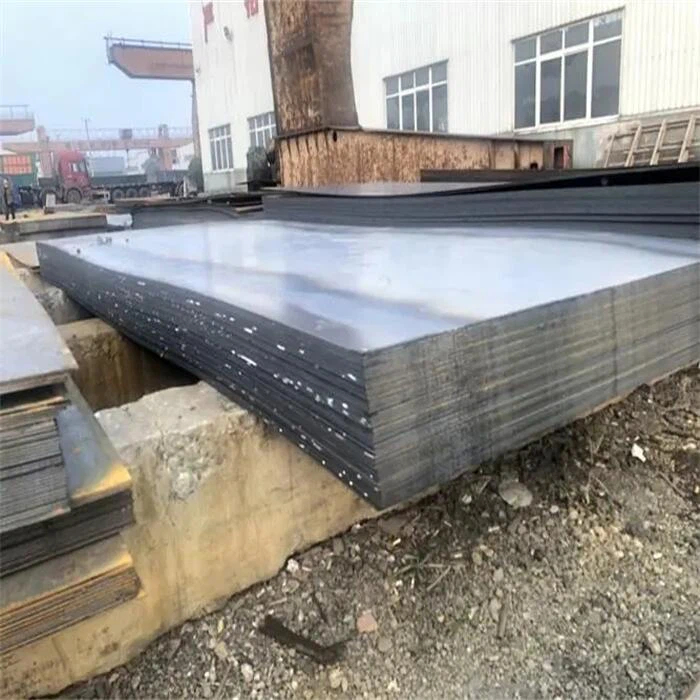
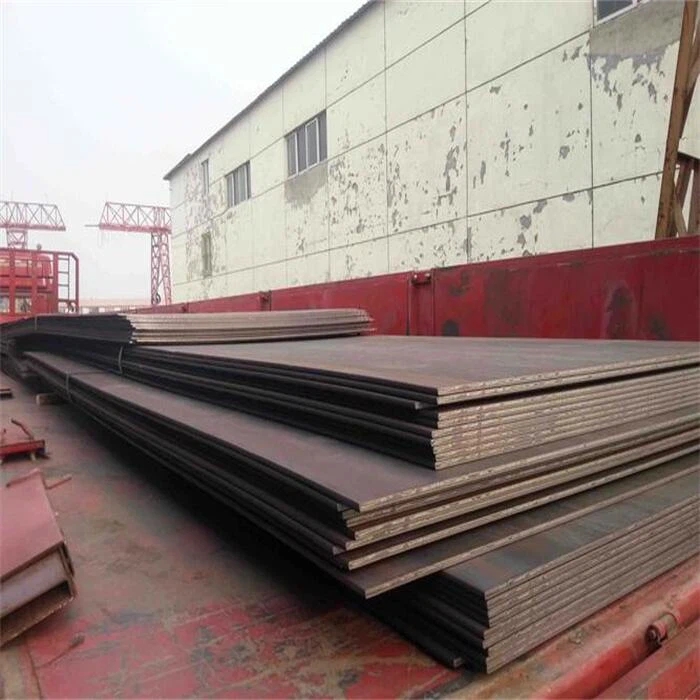
SS400 plates are usually delivered as:Hot rolled plates,Shot blasted plates,Pickled surfaces,
Surface requirements depend on the final application.
4. Cutting and Processing Services
Many buyers prefer suppliers that provide additional services such as:CNC flame cutting,Laser cutting,Plate beveling,Drilling,
These services reduce fabrication costs.
5. Supplier Reliability
When selecting a steel supplier, evaluate:Production capacity,Export experience,Quality control systems,Delivery lead time,
Reliable suppliers provide consistent quality and timely shipments.
SS400 Plate vs A36 Plate
SS400 and ASTM A36 are often considered interchangeable in international trade.
Main comparison:
| Property | SS400 | ASTM A36 |
| Standard | JIS G3101 | ASTM |
| Yield Strength | 205–245 MPa | ≥250 MPa |
| Tensile Strength | 400–510 MPa | 400–550 MPa |
| Applications | Structural fabrication | Structural fabrication |
Although similar, project specifications should always determine which material is required.
FAQ: SS400 Steel Plate
Is SS400 steel plate weldable?
Yes. SS400 has good weldability due to its relatively low carbon content.
What thickness of SS400 plate is available?
Most mills supply SS400 plates from 6 mm to 300 mm thickness.
Is SS400 stronger than Q235?
For thin plates under 16 mm, SS400 often has a slightly higher yield strength than Q235.
Can SS400 replace A36 steel?
In many structural applications, SS400 and A36 are considered equivalent, but engineering approval is required.
SS400 steel plate is a reliable and cost-effective material widely used in structural engineering, construction, machinery manufacturing, and fabrication industries.
By understanding its chemical composition, mechanical properties, size availability, and equivalent grades, buyers can make more informed purchasing decisions.When sourcing SS400 steel plates, working with a trusted steel supplier that provides certification, quality control, and processing services is essential to ensure project success.