Introduce
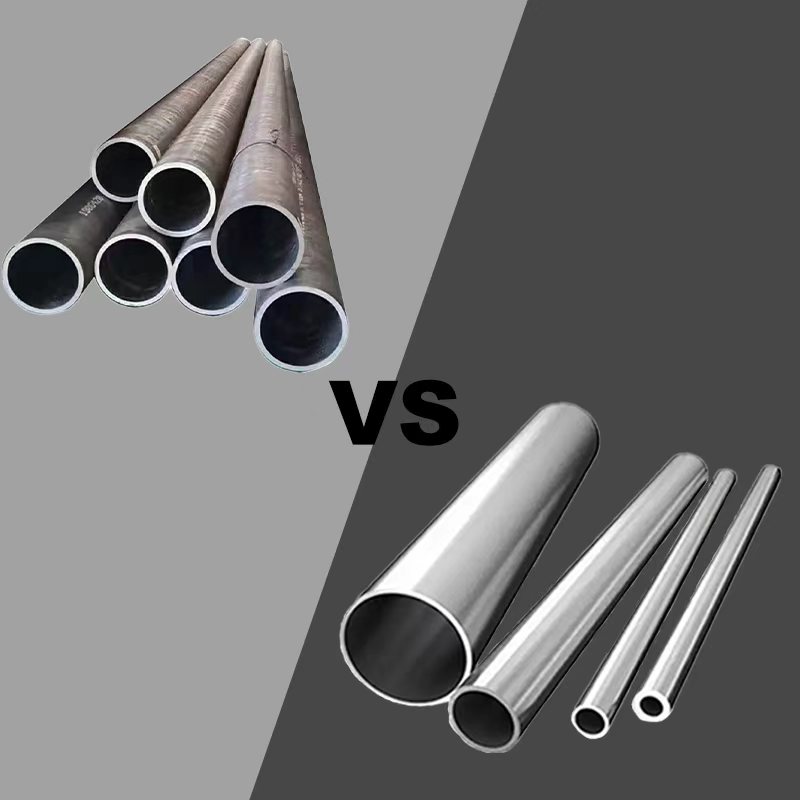
This article provides a practical comparison between brass and stainless steel from the perspectives of composition, performance, and application. It is intended to support efficient material selection by helping buyers and engineers identify the most suitable option for specific project requirements.
Article Focus
• Definition and composition of brass and stainless steel
• Key performance comparison between brass alloys and stainless steel
• Application-based material selection guidance
• Professional support and supply capability from Jintuo Metal
What Is Brass and Stainless Steel?
Brass
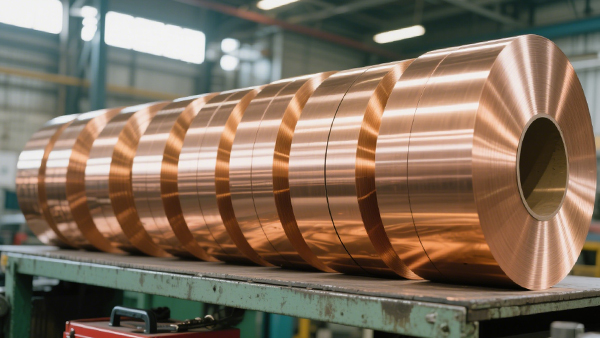
Brass is a copper-based alloy primarily composed of copper (Cu) and zinc (Zn). The copper content generally ranges from 60% to 90%, while zinc accounts for approximately 10% to 40%. Variations in elemental ratios result in different grades of brass with distinct mechanical and processing characteristics.
Stainless Steel
Stainless steel is an iron-based alloy containing a minimum chromium content of 10.5%, which provides corrosion resistance through the formation of a passive oxide layer. Common categories include austenitic, ferritic, and duplex stainless steels. Stainless steel is widely used in construction, medical equipment, industrial processing, and decorative applications.
Stainless Steel vs. Brass Alloys: Key Property Comparison
Composition
Brass: Copper-zinc alloy; higher zinc content increases strength.
Stainless Steel: Iron-based alloy with chromium ≥10.5%.
Corrosion Resistance
Brass: Good resistance in freshwater environments but prone to oxidation under long-term humidity.
Stainless Steel: Excellent corrosion resistance due to chromium passivation.
Strength and Hardness
Brass: Relatively soft, easy to machine, form, and engrave.
Stainless Steel: Significantly higher strength, suitable for load-bearing and structural applications.
Thermal and Electrical Conductivity
Brass: High conductivity, suitable for electrical components and heat transfer systems.
Stainless Steel: Low conductivity, suitable for thermal insulation and structural use.
Surface Finish
Brass: Can be plated or oxidized for decorative purposes.
Stainless Steel: Supports polishing, brushing, and color coating (e.g. black, rose gold), commonly used in architectural and decorative projects.


Which Material Is Better for Your Project?
Applications Where Brass Is Recommended
• Antibacterial requirements: medical facilities, public handrails
• Electrical and thermal conductivity: electronic components, conductive parts, heat exchangers
• Easy processing and forming: furniture and decorative components
• Moderate corrosion resistance with machinability: gears, bearings, condenser tubes
Applications Where Stainless Steel Is Recommended
• Highly corrosive environments: chemical processing, marine engineering (316L preferred)
• High strength and hygiene requirements: food processing equipment, medical instruments
• High-temperature and high-pressure conditions: engines, industrial boilers
• Outdoor and architectural use: curtain walls, elevator panels, structural frames
Jintuo Metal: Professional Material Support for Your Project
Chemical Industry: Reactor piping and heat exchanger tubes with requirements for corrosion resistance.
Machinery Manufacturing: Hydraulic cylinders and bearing sleeves, where precision and surface quality are critical.
Material selection directly affects product performance, service life, and overall project cost. Jintuo Metal provides comprehensive support, including:
• Technical consultation and material performance data
• Sample supply for physical evaluation
• Cost optimization through alloy grade recommendation based on application and processing needs
Conclusion
Jintuo Metal is an ISO 9001:2015, TUV, SGS, and CE certified manufacturer, specializing in stainless steel and related metal materials, with an annual production capacity of 300,000 tons. We welcome your inquiries and project discussions.