Introduce
In the realm of modern industrial materials, galvalume holds a pivotal position with its superior performance characteristics. It serves as a foundational material across diverse sectors, ranging from high-rise construction and automotive manufacturing to household appliances and agricultural infrastructure. This document elaborates on galvalume’s core attributes, production processes, application scenarios and market value, to illustrate its competitive advantages in industrial applications.
What is Galvalume?
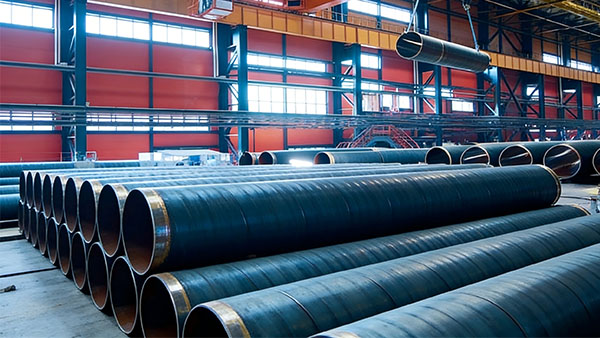
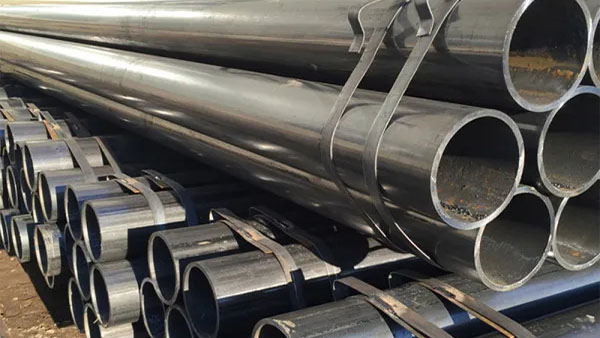
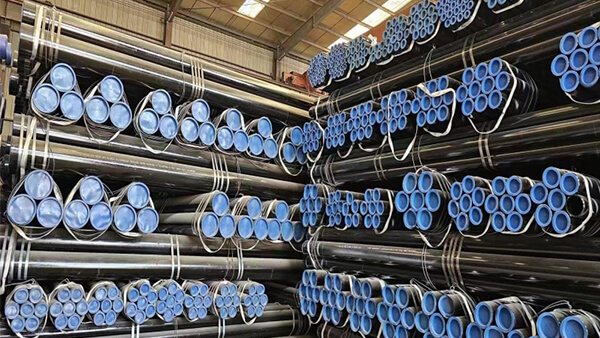
Hot dip galvanizing is a surface protection process in which steel pipes are immersed in molten zinc at approximately 450°C (842°F). During immersion, the zinc reacts with the steel surface to form multiple zinc–iron alloy layers, creating a metallurgically bonded coating. This structure provides effective protection against corrosion and mechanical wear while ensuring long-term stability under outdoor and industrial conditions. Zinc also acts as a sacrificial layer, corroding preferentially to protect the underlying steel substrate.
2.1 Definition and Basic Composition
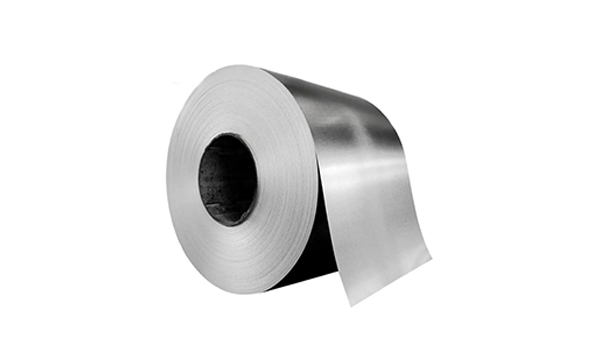
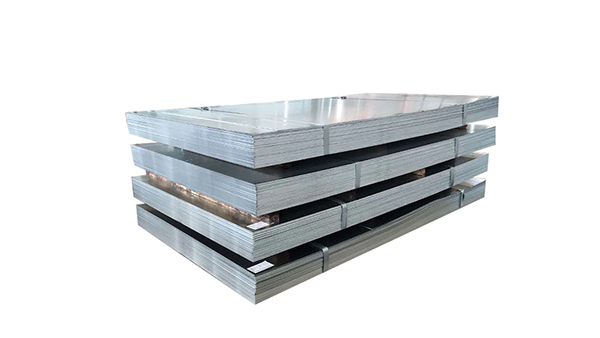
Galvalume refers to a metal composite material produced by hot-dip coating a steel substrate with an aluminum-zinc alloy. Its standard alloy composition consists of approximately 55% aluminum, 43.4% zinc and trace amounts of silicon. Taking galvalume steel sheets as a typical example, the alloy coating bonds tightly to the steel surface, forming a protective barrier that endows the substrate with performance far exceeding that of conventional steel materials. This specific alloy ratio is the fundamental basis for galvalume’s excellent performance.
2.2 Unique Microstructure
Galvalume exhibits a distinctive honeycomb-like microstructure at the microscopic level. Aluminum forms the honeycomb framework, which encapsulates zinc particles within the structure. When exposed to the natural environment, the aluminum component reacts rapidly with oxygen to form a dense aluminum oxide film. This film acts as a physical barrier, effectively preventing corrosive media such as oxygen, moisture and acid-base substances from penetrating the substrate.
In corrosive environments, zinc functions as a sacrificial anode. Due to its lower electrode potential compared to steel, zinc undergoes preferential oxidation to protect the steel substrate from corrosion. When the zinc layer is partially consumed, the surrounding aluminum can re-form a new protective oxide film, enabling the material to achieve self-repair of its protective layer. This mechanism significantly enhances galvalume’s corrosion resistance and service life in harsh conditions.
Core Performance Advantages of Galvalume
3.1 Superior Corrosion Resistance
Corrosion resistance is the most prominent performance advantage of galvalume. The synergistic effect of aluminum and zinc creates a dual-protection mechanism for the substrate. The dense aluminum oxide film serves as the first line of defense, blocking the intrusion of external corrosive factors. Zinc acts as a sacrificial anode, providing cathodic protection for the steel substrate.
This dual mechanism makes galvalume far more corrosion-resistant than traditional galvanized materials. For instance, in coastal areas with high salt spray and humidity, galvalume building fences can maintain structural integrity for decades, while conventional galvanized fences typically suffer from severe rust and require replacement within a few years. Data from practical applications shows that galvalume’s service life in harsh environments is several times longer than that of ordinary galvanized steel, effectively reducing maintenance costs and replacement frequency for end users.
3.2 Excellent Heat Resistance
Galvalume demonstrates stable performance in high-temperature environments, thanks to aluminum’s relatively high melting point of 660°C. At elevated temperatures, its aluminum-zinc alloy coating remains structurally stable, and the surface aluminum can react further with oxygen to form a more dense and stable protective oxide film. This film not only prevents high-temperature oxidation of the substrate but also reduces heat transfer to a certain extent, protecting the steel substrate from thermal damage.
This heat resistance makes galvalume suitable for high-temperature application scenarios. In industrial plants, galvalume ventilation ducts installed near high-temperature equipment can operate continuously without deformation or oxidation failure, ensuring the stable operation of ventilation systems and reducing unplanned downtime. It is also widely used in the fabrication of flues and chimneys for industrial furnaces.
3.3 Outstanding Processability
Galvalume is compatible with all conventional metal processing technologies, including cutting, bending, stamping and welding. During cutting, it produces neat edges, with no coating peeling or damage. During bending, even at large angles, the bond between the coating and substrate remains firm, without cracking or delamination of the alloy layer.
Its excellent formability allows stamping into complex shapes to meet diverse industrial needs. In automotive manufacturing, galvalume sheets are commonly used to produce hoods, door panels and other body components. The material’s good ductility ensures precision forming during stamping, while its weldability supports reliable connection with other metal parts, facilitating the assembly of large structural components and improving overall product quality.
3.4 Aesthetic and Decorative Properties
Galvalume offers both functional performance and aesthetic value. After surface treatment, it presents a uniform, bright metallic finish, with a silver-gray base color that exhibits subtle luster variations under different lighting conditions, enhancing the material’s visual layering.
In architectural applications, galvalume panels are used for exterior wall cladding, infusing modern and stylish aesthetics into building designs and making them stand out in urban landscapes. In the home appliance industry, high-end product casings and electronic device chassis made of galvalume not only protect internal components but also enhance the product’s premium appearance, meeting consumer demands for both functionality and aesthetics.
Wide-Ranging Applications of Galvalume
4.1 Construction Industry
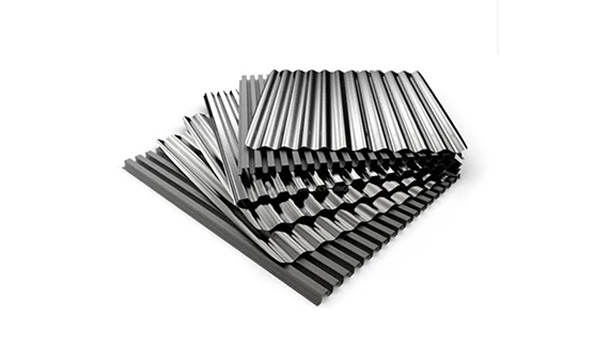
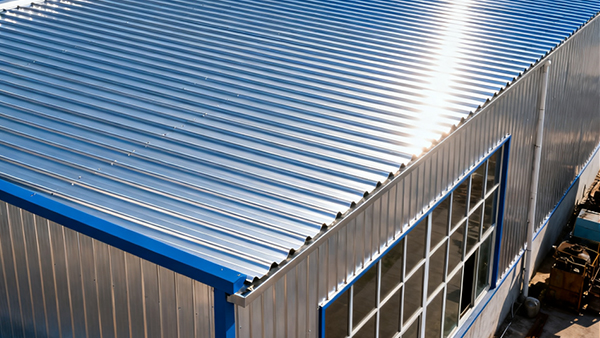
Galvalume is extensively used in construction, covering roofing, wall systems, garage structures and other building components. In roofing applications, galvalume sheets are ideal for industrial workshops, warehouses and residential buildings. Their corrosion resistance effectively withstands erosion from rain, ultraviolet radiation and sandstorms, maintaining performance stability even in coastal high-humidity or industrial polluted areas, and significantly extending roof service life.
The material’s excellent processability enables customization into various shapes and specifications to match different architectural styles, while its lightweight properties simplify installation and reduce construction costs. For wall applications, galvalume serves as both exterior decorative panels and interior partition structural materials. Exterior panels protect the building envelope and enhance aesthetic appeal, while interior partitions leverage the material’s strength and sound insulation to improve indoor safety and comfort. Galvalume is also widely used in garage doors and ceilings to ensure the security of stored vehicles and items.
4.2 Automotive Manufacturing
Galvalume plays a critical role in automotive manufacturing by improving vehicle safety, durability and appearance quality. In body manufacturing, it is used to produce panels, doors and roof components. These parts are exposed to harsh outdoor conditions year-round, and galvalume’s corrosion resistance prevents body rust and structural degradation, extending vehicle service life. Its good formability allows manufacturers to produce complex-shaped components that meet design requirements, ensuring precision matching between parts during assembly.
Galvalume is also applied to exhaust system components. Exhaust pipes operate at high temperatures and are exposed to corrosive exhaust gases; galvalume’s heat resistance and corrosion resistance ensure the system’s stable operation, reducing failure rates. In automotive interiors, it is used to manufacture dashboard frames and seat brackets, providing structural strength while enhancing the interior’s overall texture.
4.3 Home Appliance Industry
Galvalume is widely adopted in home appliance manufacturing due to its corrosion resistance and aesthetics. For example, refrigerator back panels made of galvalume resist condensation and humidity in the operating environment, preventing rust and ensuring long-term stable operation of the appliance. In air conditioning systems, galvalume outdoor unit casings and structural parts withstand outdoor weathering, extending the service life of the equipment.
In high-end appliances such as microwave ovens and electric ovens, galvalume is used for both internal structural components and external casings. Its good processability enables the production of sophisticated shapes, while its metallic luster enhances the product’s premium appearance, meeting consumer demands for high-quality home appliances.
4.4 Electronic Equipment Industry
Galvalume is used in the casings and structural components of electronic equipment, where it provides dual functions of physical protection and electromagnetic shielding. The material’s high strength effectively resists external impact and extrusion, protecting internal electronic components from damage. Its excellent processability allows production of casings in various sizes and shapes through stamping and other processes, adapting to the miniaturization and diversification trends of electronic products.
Galvalume also exhibits good electromagnetic shielding performance. In complex electromagnetic environments, it blocks external electromagnetic interference, ensuring stable operation of internal circuits and chips. This performance is critical for precision electronic devices such as mobile phones and computers, improving their operational reliability and signal quality.
4.5 Agricultural Sector
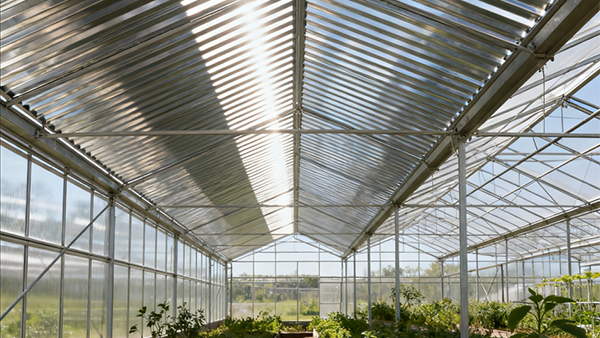
Galvalume is an essential material for agricultural infrastructure, including greenhouse frames and grain storage facilities. Greenhouses are exposed to outdoor weather conditions year-round, and galvalume frames resist wind, rain and humidity, maintaining structural stability and extending service life. The material’s processability enables customization of structural components according to planting needs, improving greenhouse practicality and adaptability.
In grain storage, galvalume silos and granaries effectively prevent moisture and rainwater intrusion, avoiding grain dampness and mold. Their corrosion resistance ensures long-term structural integrity, safeguarding grain storage safety. The material’s aesthetic appearance also maintains the overall tidiness of agricultural production environments.
Rationale for Selecting Galvalume
In summary, galvalume’s unique microstructure and excellent performance characteristics establish its irreplaceable position in multiple industries. Its superior corrosion resistance, heat resistance, processability and aesthetics support extensive applications in construction, automotive manufacturing, home appliances, electronics and agriculture. Selecting galvalume translates to higher product quality, longer service life, lower maintenance costs and enhanced product appearance. Whether for large-scale engineering projects or precision component manufacturing, galvalume is a reliable, high-value material solution. For new project planning or material upgrades, galvalume delivers significant economic benefits and application value.