Introduction to ERW Structural Steel Pipes
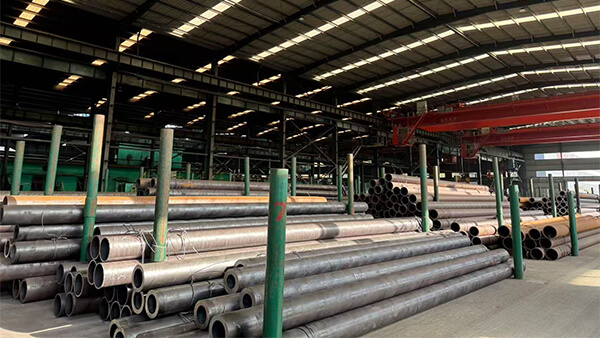
Durability and reliability are fundamental requirements for modern construction. ERW (Electric Resistance Welded) structural steel pipes are distinguished by their high strength, cost efficiency and versatility. They serve as the core load-bearing components for residential, commercial and industrial projects, ensuring long-term structural stability.
What is ERW Steel?
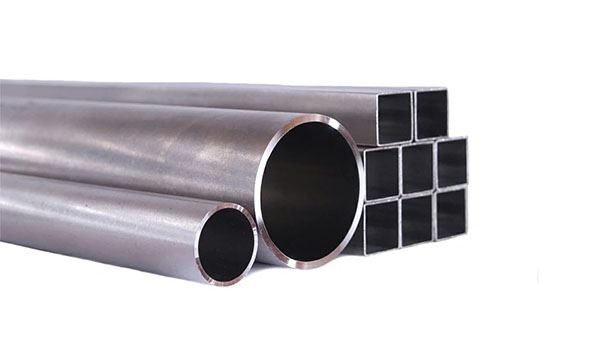
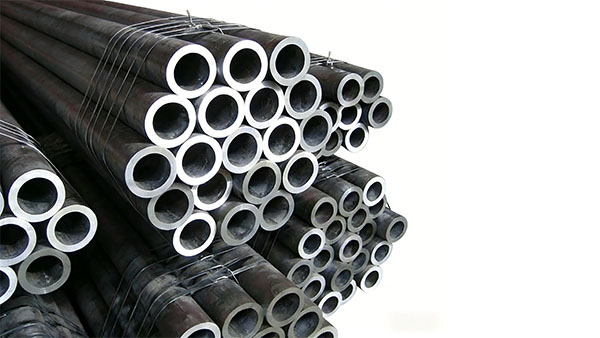
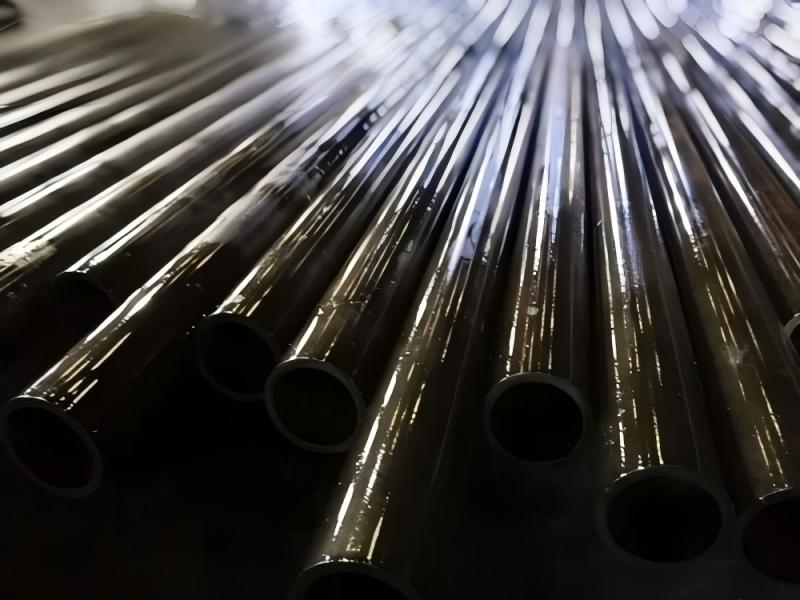
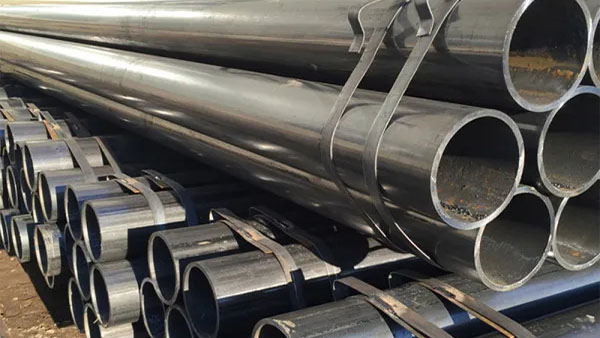
ERW steel pipes are manufactured via electric resistance welding. This process forms a uniform, high-strength weld seam. Different from seamless pipes, ERW pipes are produced by rolling steel strips into cylindrical shapes and welding the longitudinal edges.
Manufacturing Process Highlights
- Post-weld finishing for smooth, invisible weldsThis process guarantees consistent quality, precise dimensions and cost-effectiveness, securing the material’s global popularity.
- Cold-forming of steel strips into cylindrical profiles
- High-frequency current heating and fusion of seam edges
Core Advantages in Construction
- Strength & Durability: High tensile strength enables ERW pipes to bear heavy loads and pressure, ideal for long-service-life structures.
- Corrosion Resistance: Galvanized or coated ERW pipes resist rust and corrosion in harsh environments.
- Lightweight Design: The lightweight feature reduces transportation and handling costs, while improving on-site installation efficiency.
Key Applications
- Residential Buildings: Plumbing systems, gas pipelines and construction scaffolding.
- Commercial Structures: Structural framing, support beams and HVAC systems in offices, malls and warehouses.
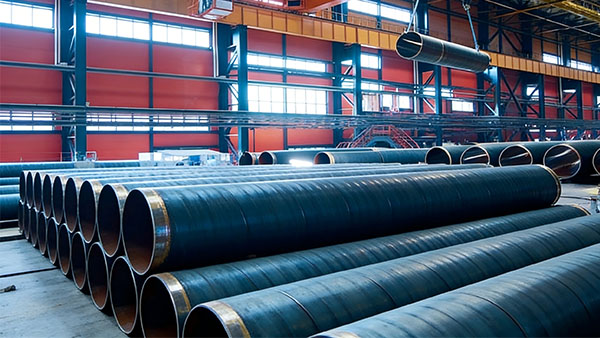
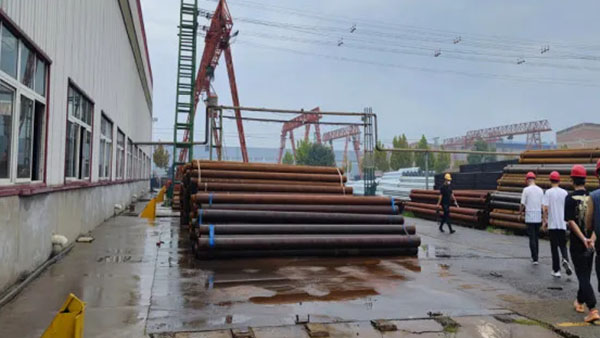
- Industrial Projects: Fluid pipelines, heavy equipment frameworks and infrastructure construction in factories and power plants.
Installation & Maintenance Best Practices
Installation Tips
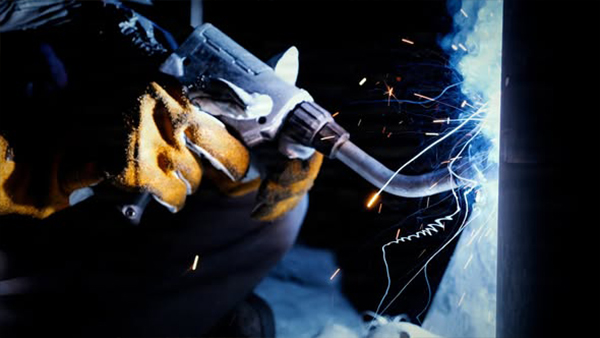
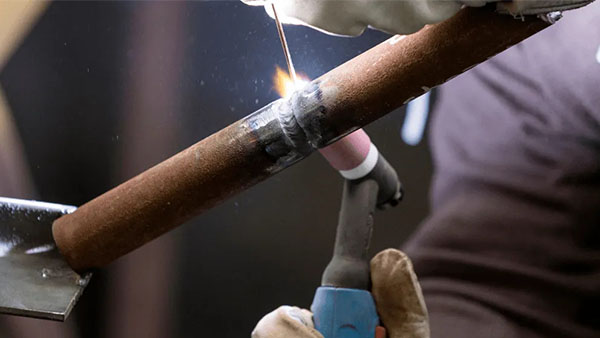
- Ensure precise alignment before welding or fastening
- Apply protective coatings to extend service life
- Adhere to manufacturer’s specifications for pressure and load capacity
Maintenance Practices
- Regular inspections for cracks and corrosion
- Timely cleaning and recoating of protective layers
Immediate replacement of damaged sections to prevent structural failure
Environmental Performance
ERW steel pipes are eco-friendly. Steel is 100% recyclable without loss of material properties. Their long service life reduces replacement frequency and cuts down overall construction resource consumption.
Future Outlook
Continuous upgrades in manufacturing technology will further enhance the strength, lightweight and sustainability of ERW pipes. Driven by green building and smart construction trends, ERW pipes will remain a preferred structural material for the long term.
FAQ
Q1: What are the typical sizes of ERW structural steel pipes?
A: Diameters range from ½ inch to over 24 inches, with customizable wall thicknesses.
Q2: How does welding affect the strength of ERW pipes?
A: Modern high-frequency welding creates welds as strong as the base metal, ensuring structural reliability.
Q3: Are ERW pipes suitable for outdoor use?
A: Yes, especially when treated with galvanization or other protective coatings.
Q4: Can ERW pipes be used for high-pressure applications?
A: Yes, suitability depends on material grade, wall thickness and compliance with manufacturing standards.
Q5: What maintenance do ERW pipes require?
A: Regular inspections, protective coating maintenance and timely replacement of worn parts.Meta Title