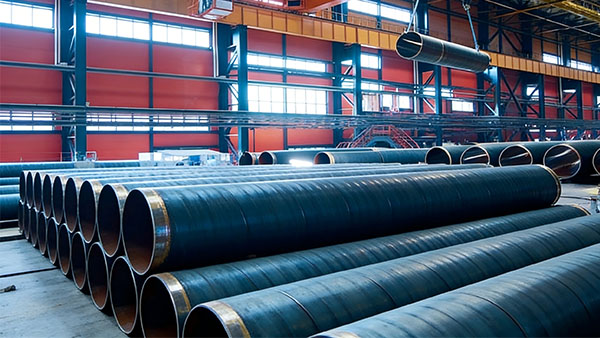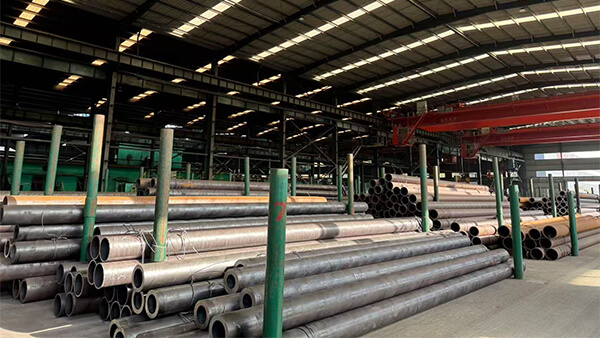
Square steel pipes are widely used in construction, machinery manufacturing, furniture production, infrastructure projects, and industrial applications. Choosing a high-quality square steel pipe not only improves structural strength and durability but also reduces maintenance costs and ensures long-term performance.
In this guide, we’ll explain the key factors to consider when selecting a square steel pipe and help you make an informed purchasing decision.
What Is a Square Steel Pipe?
A square steel pipe, also known as a square hollow section (SHS), is a type of steel tubing with four equal sides. It is manufactured through cold-forming or hot-forming processes and is available in various sizes, wall thicknesses, and surface finishes.
Common materials include:
- Carbon Steel
- Mild Steel
- Galvanized Steel
- Stainless Steel
- Alloy Steel
Because of its excellent strength-to-weight ratio, square steel pipe is commonly used in:
- Building structures
- Steel frameworks
- Agricultural equipment
- Mechanical engineering
- Automotive manufacturing
- Furniture production
- Solar mounting systems
Why Quality Matters
Low-quality square steel pipes may lead to:
- Structural deformation
- Premature corrosion
- Welding difficulties
- Reduced load-bearing capacity
- Increased maintenance costs
Choosing premium-quality steel tubing ensures safety, longer service life, and better project performance.
1. Check the Material Grade
The first factor to consider is the steel grade.
Common international standards include:
| Standard | Common Grades |
|---|---|
| ASTM | A500 Grade B, Grade C |
| EN | S235, S275, S355 |
| JIS | STKR400, STKR490 |
| GB/T | Q235B, Q355B |
Higher-grade steel generally provides:
- Better tensile strength
- Improved yield strength
- Greater impact resistance
- Longer service life
Always request a Material Test Certificate (MTC) from the supplier.
2. Inspect Surface Quality
A high-quality square steel pipe should have a clean and smooth surface.
Check for:
- Rust spots
- Cracks
- Dents
- Scratches
- Weld defects
- Surface scaling
For galvanized square steel pipes, ensure the zinc coating is uniform without peeling or exposed steel.
3. Verify Dimensional Accuracy
Precise dimensions are essential for fabrication and installation.
Pay attention to:
- Outside dimensions
- Wall thickness
- Length tolerance
- Straightness
- Corner radius
Poor dimensional accuracy may cause assembly problems and additional machining costs.
4. Examine the Weld Quality
Most square steel pipes are produced by electric resistance welding (ERW).
High-quality welds should be:
- Smooth
- Uniform
- Crack-free
- Fully fused
Poor welding can significantly reduce structural integrity.
5. Evaluate Mechanical Properties
Before purchasing, verify the mechanical performance of the pipe.
Important properties include:
- Yield strength
- Tensile strength
- Elongation
- Hardness
- Impact resistance
These values should comply with the applicable international standards.
6. Consider Corrosion Resistance
The required corrosion resistance depends on the application environment.
Available options include:
Black Steel Pipe
Suitable for indoor structural applications.
Hot-Dip Galvanized Square Steel Pipe
Provides excellent corrosion protection for outdoor environments.
Stainless Steel Square Pipe
Ideal for marine, food processing, and chemical industries due to its outstanding corrosion resistance.
7. Review Manufacturing Standards
Reliable manufacturers produce square steel pipes according to internationally recognized standards, such as:
- ASTM A500
- EN 10219
- EN 10210
- JIS G3466
- GB/T 6728
Products manufactured under these standards offer more consistent quality and performance.
8. Choose the Right Size
Selecting the proper dimensions is equally important.
Consider:
- Outer dimensions
- Wall thickness
- Load requirements
- Welding method
- Connection type
Choosing oversized products increases costs, while undersized pipes may compromise safety.
9. Check Supplier Certifications
A trustworthy supplier should possess certifications such as:
- ISO 9001 Quality Management System
- CE Certification
- SGS Inspection Reports
- Mill Test Certificates (MTC)
These documents demonstrate compliance with international quality standards.
10. Compare Price and Overall Value
The lowest price does not always represent the best value.
Instead, evaluate:
- Product quality
- Delivery time
- Technical support
- Production capacity
- Export experience
- After-sales service
A reliable supplier can help reduce long-term project costs.
Common Applications of Square Steel Pipes
High-quality square steel pipes are widely used in:
- Commercial buildings
- Warehouses
- Bridges
- Steel structures
- Agricultural machinery
- Fencing systems
- Solar panel mounting structures
- Industrial equipment
- Furniture manufacturing
- Transportation infrastructure
Tips for Buying Square Steel Pipes
Before placing an order, remember to:
- Confirm the steel grade.
- Verify dimensions and tolerances.
- Request quality certificates.
- Inspect the surface finish.
- Check compliance with international standards.
- Compare suppliers based on reputation rather than price alone.
- Ensure the product suits your project requirements.
Conclusion
Choosing a high-quality square steel pipe requires careful evaluation of material grade, manufacturing standards, dimensional accuracy, weld quality, corrosion resistance, and supplier reliability. Investing in certified, high-quality steel products not only improves project safety but also minimizes maintenance costs and extends service life.
Whether you’re sourcing square steel pipes for construction, manufacturing, or industrial projects, working with an experienced and reputable supplier ensures consistent quality and dependable performance.