Application
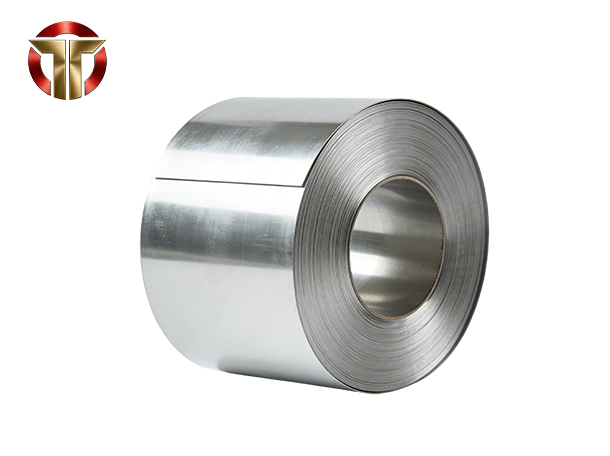
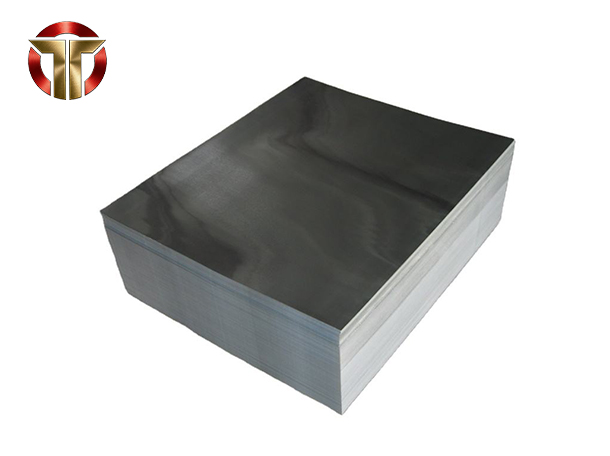
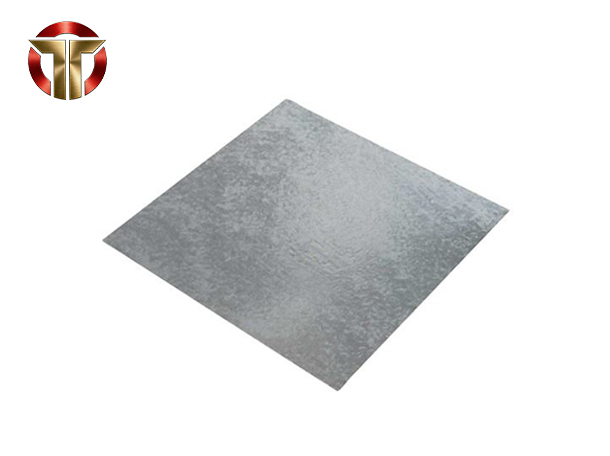
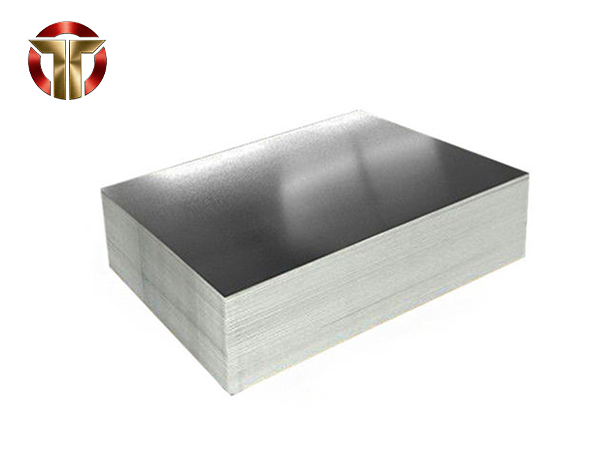
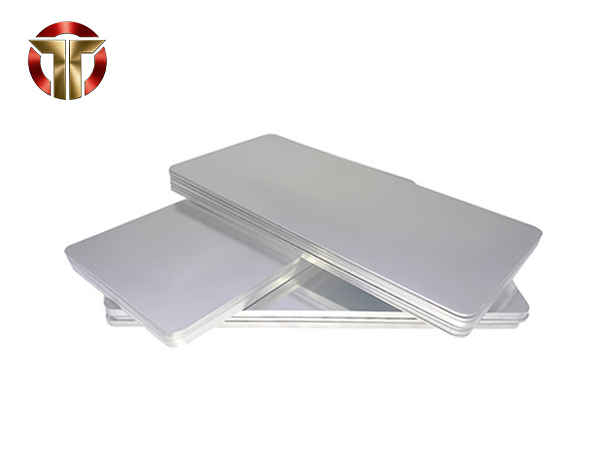
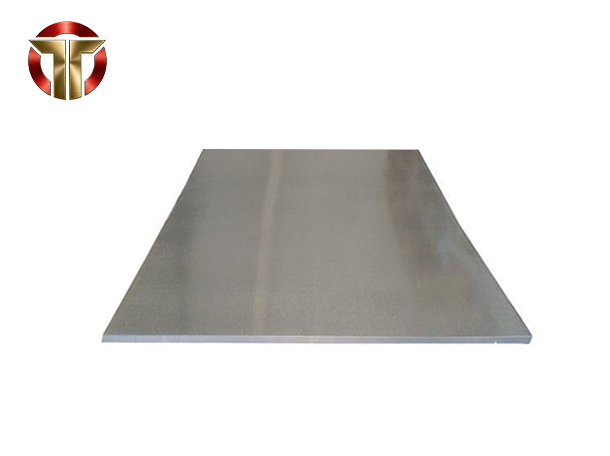
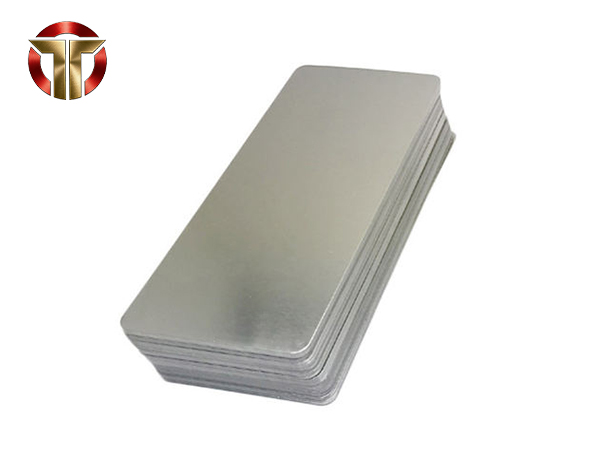
Food-grade electrolytic tinplate is also called tinplate, tin-plated thin steel, and its English abbreviation is SPTE and ETP. Tinplate refers to a cold-rolled low-carbon thin steel sheet or steel strip coated with pure tin on both sides. Tin plating plays a major and important role in preventing corrosion and rust. Food grade electrolytic tinplate has the strength and formability of steel with the corrosion resistance, solderability and aesthetic appearance of tinplate. Most people think that ETP consists of five layers, including base steel, iron-tin alloy, tin, passivation film and oil film. However, some people believe that it is composed of six layers; that is, there is a tin oxide film under the passivation film. Sometimes, the tin oxide film and the passivation film are collectively referred to as the oxide film.
Description
Tinplate is a thin steel sheet coated with a tin coating by immersion in molten metal or by electrolytic deposition; almost all tinplate is now produced by the latter process. The tinplate produced through this process is essentially a sandwich in which the central core is strip steel. The core is cleaned in a pickling solution and then passed through a bath containing an electrolyte with tin deposited on both sides. As the strip passes through a high-frequency electric induction coil, it is heated, causing the tin coating to melt and flow, forming a shiny coating. The final product has approximately 0.00003 inches (0.00076 mm) of tin coating on each side. Tinplate has good corrosion resistance, certain strength and hardness, good formability, and is easy to weld. The tin layer is non-toxic and tasteless, which can prevent iron from dissolving into the packaged materials. The surface is bright, and printed pictures can beautify the product.
Tinplate offers the strength and formability of steel, combined with the anti-corrosion and non-toxic properties of tin, with the added property of ease of welding. While it’s primarily used in containers for food and drink, paint, oil, tobacco, and many other products, its use has expanded to include toys, baking equipment, and parts for radios and other electronic equipment.
Tinplate is a thin sheet of steel or iron that has been coated with tin, either by dipping into molten metal or by electroplating; nearly all tinplate is now produced by electroplating. Electrolytic tinplate is classified as follows:
- Tempering degree
- Tin plating amount
- Steel type
- Annealing method
- Surface finish
Parameters
| Product | Electrolytic Tinplate Plate |
| Standard | JIS G3303,GB/T2520-2000,ASTM A623,BS EN 10202 |
| Material | SPCC,MR,Q195L S08AL SPTE |
| Thickness | 0.13-0.7mm |
| Width | 600-1500mm |
| Length | As requirement |
| Tin coating | 2.8/2.8, 2.8/5.6, 5.6/5.6 |
| Application | Chemical cans,food cans, tea cans and oil bucket |
| Package | Seaworthy Package |
| MOQ | 1 Ton |