Application
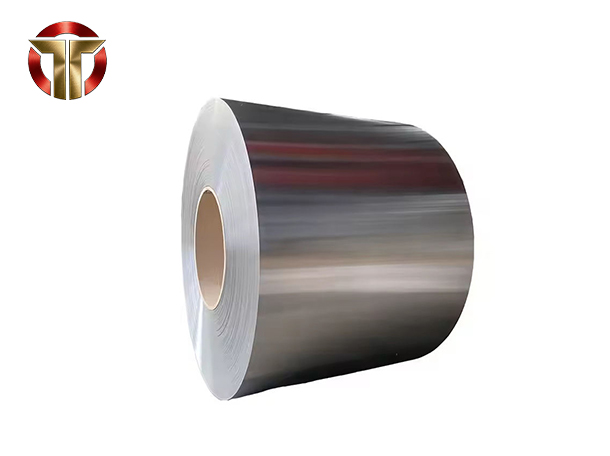
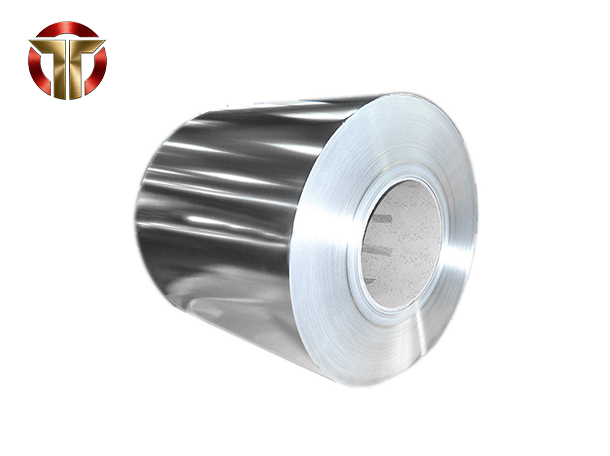
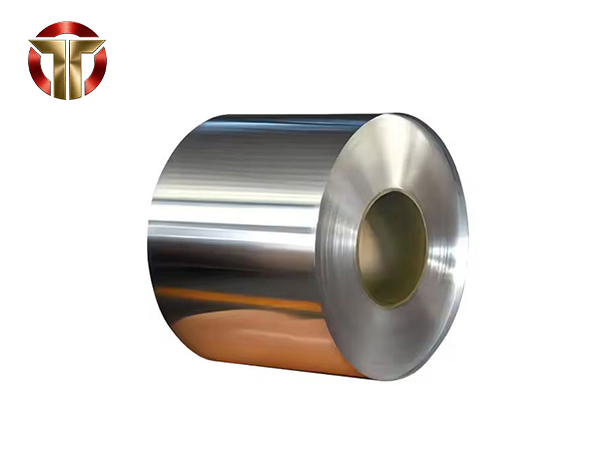
Tinplate is a cold-rolled low-carbon thin steel plate coated with pure tin on both sides for packaging purposes, also known as electrolytic tinplate, tinplate sheet, SPTE. Since tin has corrosion-resistant and anti-rust properties, tinplate combines the strength and formability of steel with the corrosion resistance of tin to produce a new material that is anti-rust, non-toxic, high strength and good ductility. Characteristics of electrolytic tinplate: Tinplate has a tin-plated layer, so it is highly resistant to rust, which is why it is safe to use for food and beverage packaging, and has a beautiful metallic luster, resulting in a bright silver surface.
Description
Introduction
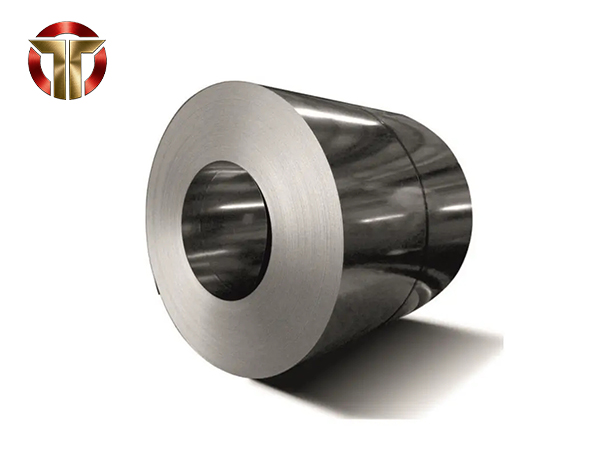
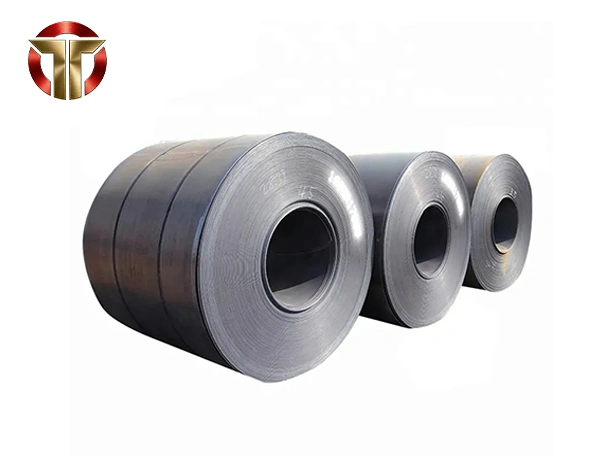
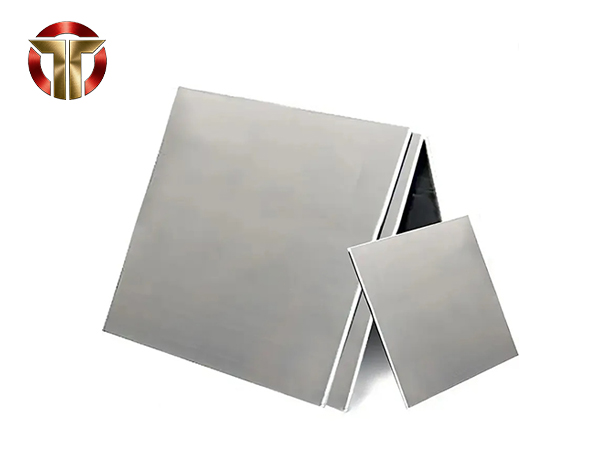
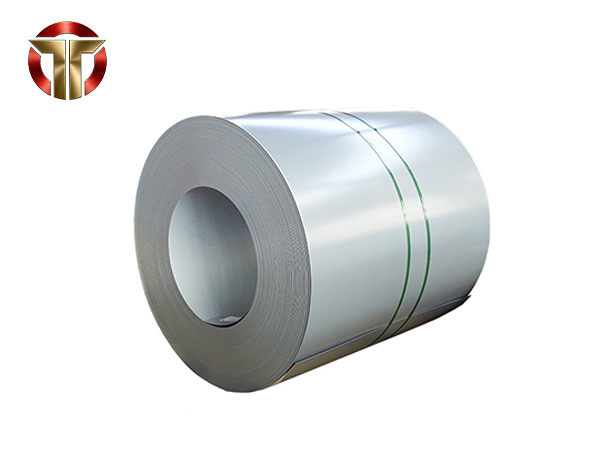
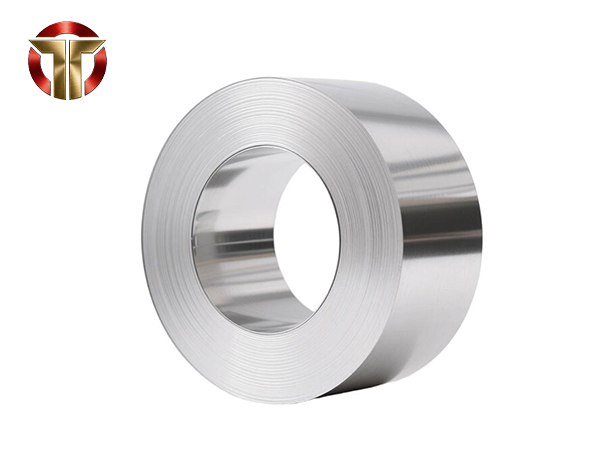
2.8/2.8 Tinplate Coil, commonly known as tinplate (SPTE), refers to a cold-rolled steel plate plated with a thin layer of metallic tin on the surface. It has a certain strength and hardness, good formability, and is easy to weld. The tin layer is non-toxic and tasteless, and the surface is bright. Tin mainly prevents corrosion and rust. According to the production process, it is divided into hot-dip tin steel plate and electroplated tin steel plate. Commonly used cans or beverage cans are made of tinplate.
Characteristics of electrolytic tinplate (ETP)
1. Excellent corrosion resistance
Tin plating protects the steel base and resists corrosion.
2. Excellent can making performance
Electrolytic tinplate (ETP) incorporates all the characteristics that are essential for the easy production of high-quality cans: paintability, printability, solderability, solderability and machinability.
The main feature of tinplate is that the tinplate has dual performances of electrochemical cathodic and anodic protection, that is, when it is filled with complex mixtures (or weak acid solutions) The inner wall of the food can with a certain vacuum has a lower potential than the base material iron, and tin is the anode. Its dissolution protects the iron. During the validity period of the food can, the dissolved amount of tin is basically harmless to the human body; while its outer wall is in the atmosphere. During the solution, the tin plating layer is in a state of cathodic protection and has sufficient chemical stability, which is unmatched by other canning materials. Tin plating has a low melting point, has lubricating properties, and imparts a good appearance. Tinplate cans are easy to handle, dispose and store. This unique property gives tinplate a wide range of applications, including beverage cans, food cans, oil cans, paint cans, aerosol cans, bottle caps, cables and electronic components.
Parameters
| Product Name | 2.8/2.8 Tinplate Coil |
| Standard | AISI, ASTM, BS, DIN, EN, GB, JIS |
| Grade | MR DR8 DR9 DR10 Q195L S08AL |
| Thickness | 0.13-0.7mm |
| Width | 200-1000mm |
| Hardness | 49-79 |
| Temper | T1, T2, T2.5, T3, T3.5, T4, T5, DR-7.5, DR8, DR8.5, DR9, DR9M, DR10 |
| Application | Food cans, beverage cans |
| Package | Standard export seaworthy package |