Application
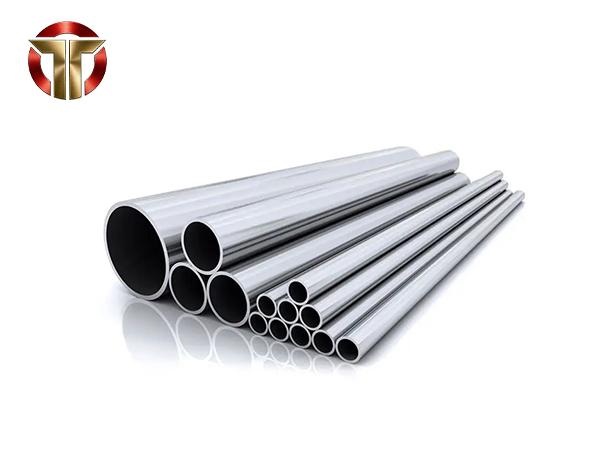
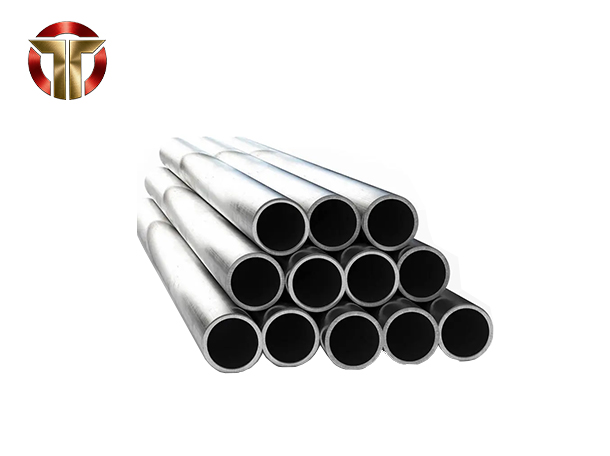
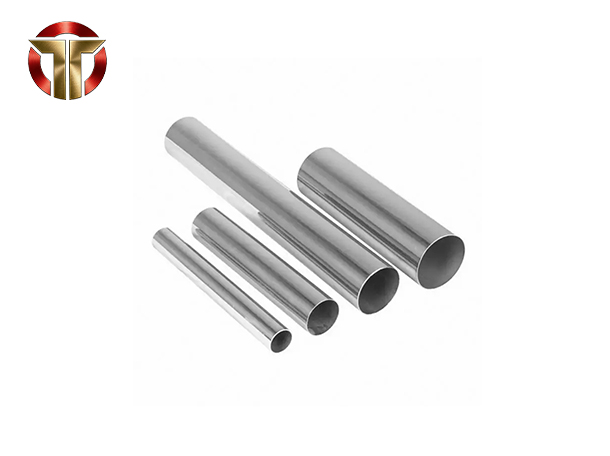
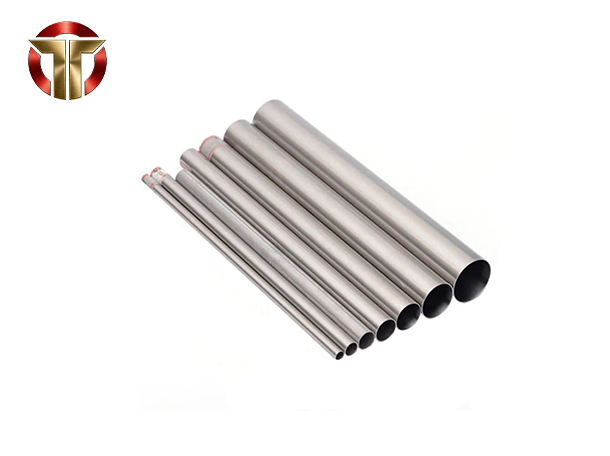
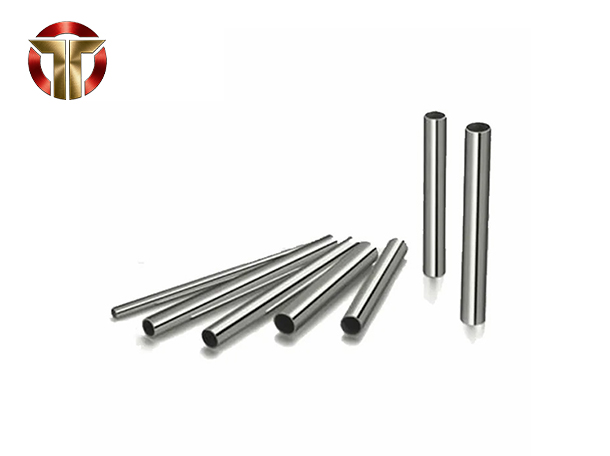
Grade 316L refers S31603 UNS desination 1.4404, it has better corrosion resistance than TP316 because of the lower Carbon content. 316L maximum carbon content 0.03% which 316 maximum 0.08%, higher carbon will increase intergranular corrosion. Therefore, 316L is suitable for applications where carbon precipitation needs to be avoided. This 316L stainless steel pipe is widely used for welding the components, its special carbon content combined with welding ensures maximum resistance to general corrosion, especially applicable for heavy duty components.
Description
316L is considered more resistant to oxidation than Type 316, especially in warm marine environments. Again, its low carbon content protects it from carbon precipitation. The metal also exhibits resistance at extremely low temperatures, even down to cryogenic levels. In terms of heat resistance, 316L exhibits better creep resistance, fracture stress resistance, and overall strength than other stainless steel grades. Stainless Steel Tube 316 Schedule 40 has high strength and excellent corrosion resistance, including in marine environments. 316 is slightly stronger than 304 stainless steel and is rated a marine metal. 316 maintains its properties at low or high temperatures. It is commonly used in oil and petroleum equipment, aerospace, food processing, pulp and paper processing equipment, textile, construction, and marine equipment.
Parameters
| Product | 304L Stainless Steel Pipe |
| Standard | AJIS DIN EN GB ASTM |
| Material | 304/304L/316/316L |
| Outside Diameter | 9.53-1016mm |
| Wall Thickness | 0.8-26.2mm |
| Length | 5.8/6m |
| Surface | BA/2B/NO.1/NO.3/NO.4/8K/HL |
| Package | Export Seaworthy Package |