Description
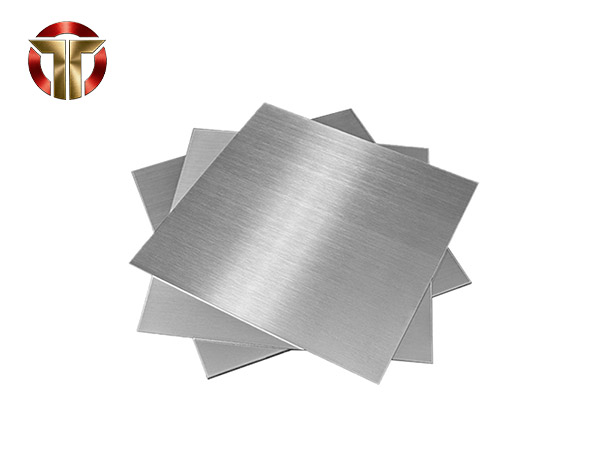
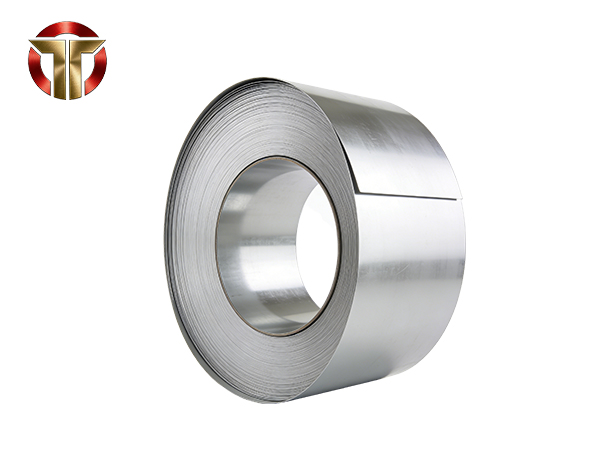
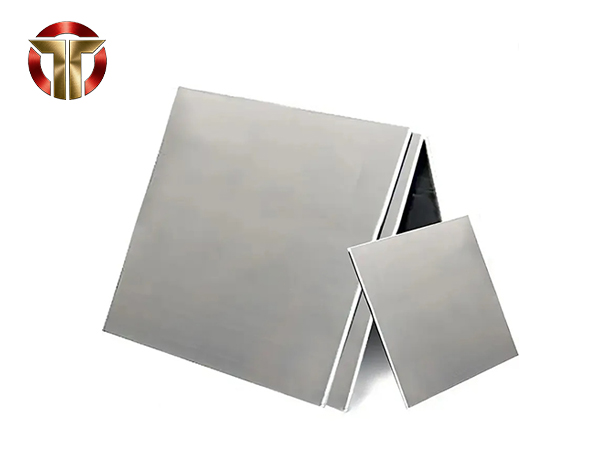
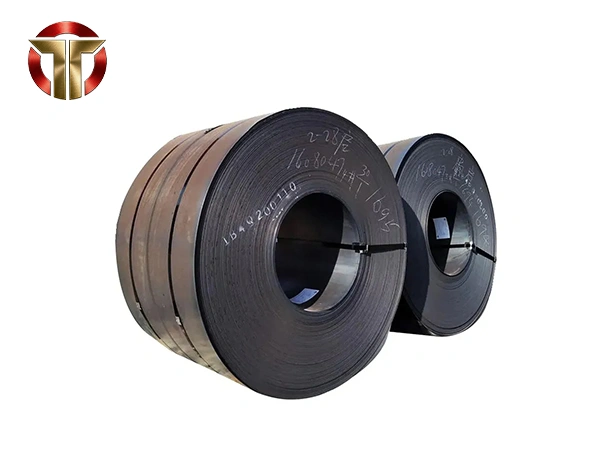
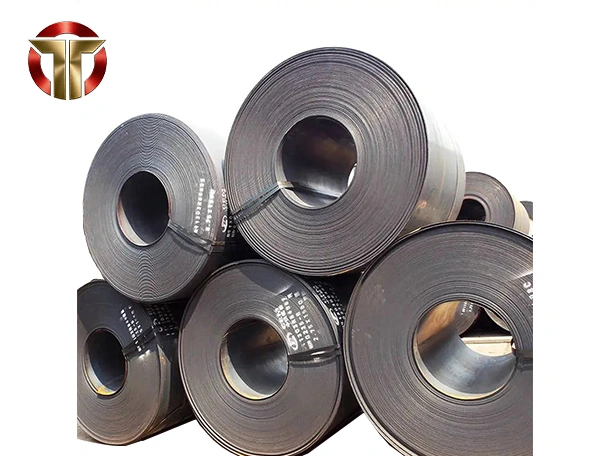
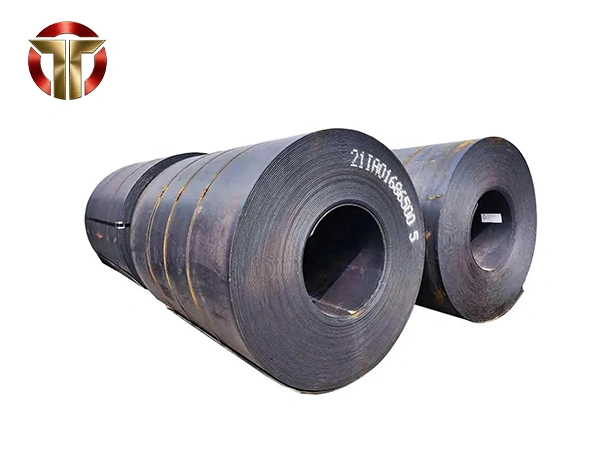
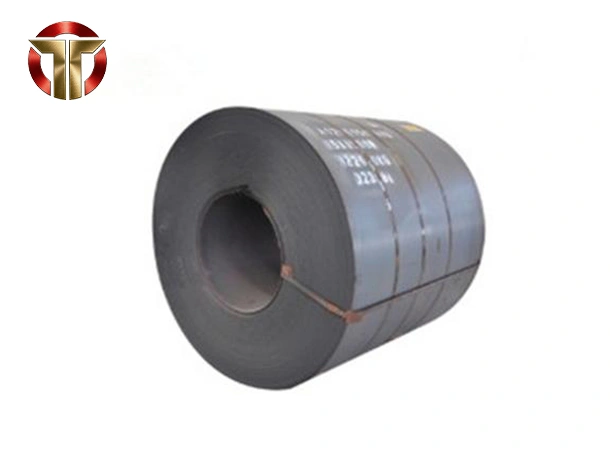
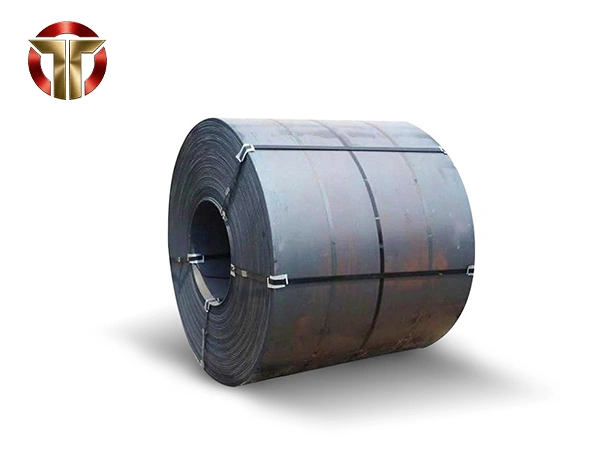
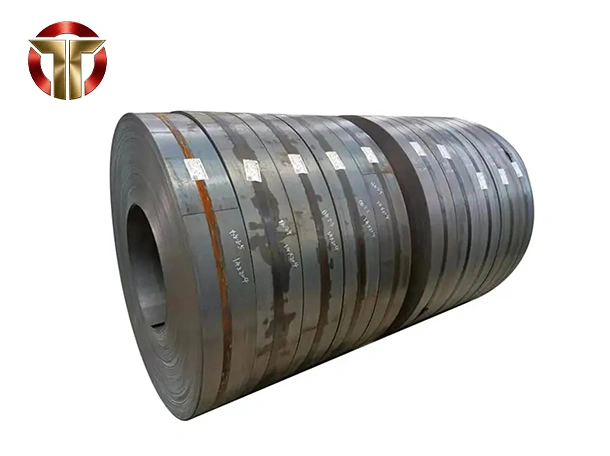
Hot rolled steel is carbon steel that is heated above the recrystallization point (typically 1,700°F or above), flattened to the desired size and thickness by high speed rolls, and processed into the necessary shape (e.g. Strip, Pipe, Bar, Plate, Sheet). Hot-rolled carbon steel coils are widely used in welded pipes, steel structures, cable trays, shelves, hardware, machinery, electrical cabinets, vehicles and other industries.
Hot rolled carbon steel is carbon steel that has been roll-pressed at very high temperatures—over 1,700˚F, which is above the re-crystallization temperature for most steels. This makes the steel easier to form, resulting in products that are easier to work with.
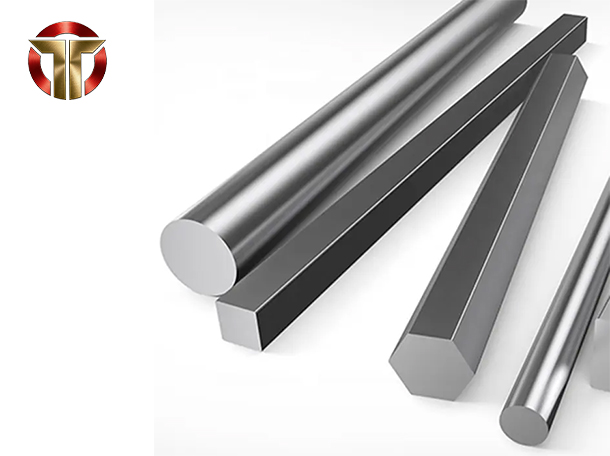
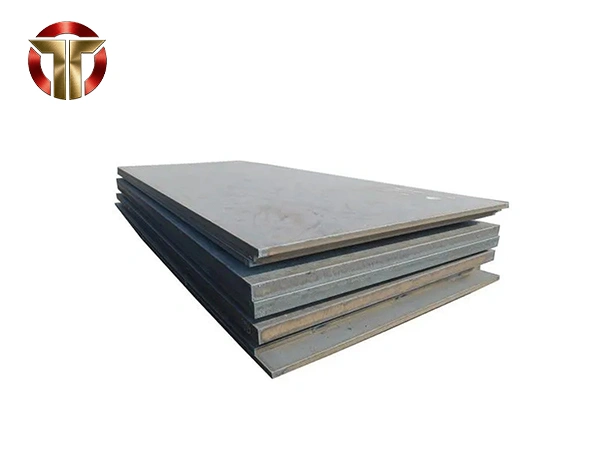
To process hot rolled steel, manufacturers first start with a large, rectangular length of metal, called a billet. The billet is heated and then sent for pre-processing, where it is flattened into a large roll. From there, it is kept at a high temperature and run through a series of rollers to achieve its finished dimensions. The white-hot strands of steel are pushed through the rollers at high speeds. For sheet metal, rolled steel is spun into coils and left to cool. For other forms, such as bars or plates, materials are sectioned and packaged.
Parameters
| Commodity | Hot Rolled Carbon Steel Coil |
| Standard | ASTM, AISI, BS, DIN, EN, GB, JIS |
| Grade | Q195, Q215, Q235, Q255, Q275, Q345 |
| Thickness | 2-60mm |
| Width | 1250-2000mm |
| Surface | Mild steel plain finish, Hot dip galvanized, Color coated |
| Application | Building construction, Bridge, Architecture |
| MOQ | 1 Ton |
Features
Hot Rolled Carbon Steel Coil is a steel product in the form of a coiled steel strip produced from the hot rolling process in the Hot Strip Mill facility. Hot rolling is a mill process that involves rolling the steel at a high temperature (typically at a temperature over 1700° F), which is above the steel’s recrystallization temperature. When steel is above the recrystallization temperature, it can be shaped and formed quickly, and the steel can be made in much larger sizes. Hot-rolled steel is typically cheaper than cold-rolled steel due to the fact that it is often manufactured without any delays in the process, and therefore the reheating of the steel is not required (as it is with cold-rolled). When the steel cools off it will shrink slightly thus giving less control on the size and shape of the finished product when compared to cold rolled.