Application
Flange is a part that connects shafts to each other and is used to connect pipe ends. It is also used as a flange on the inlet and outlet of equipment to connect two devices, such as reducer flange. Flange connection or flange joint refers to a detachable connection composed of flange, gasket and bolts as a combined sealing structure.
Description
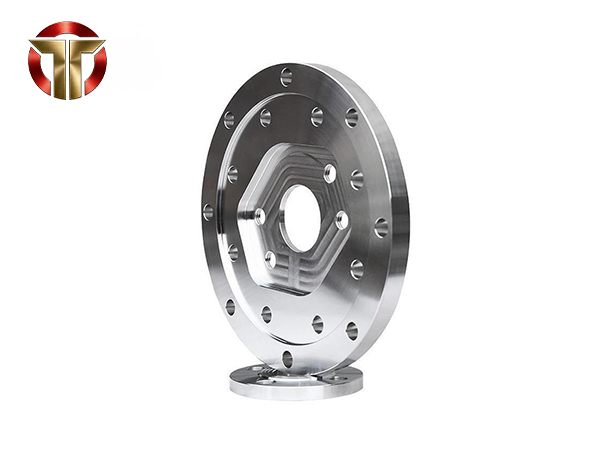
A steel pipe flange is a method of connecting pipes, valves, pumps and other equipment to form a piping system. It also provides easy access for cleaning, inspection or modification. Flanges are usually welded or screwed. Flanged joints are made by bolting together two flanges with a gasket between them to provide a seal.
Common Flange Types and Characteristics:
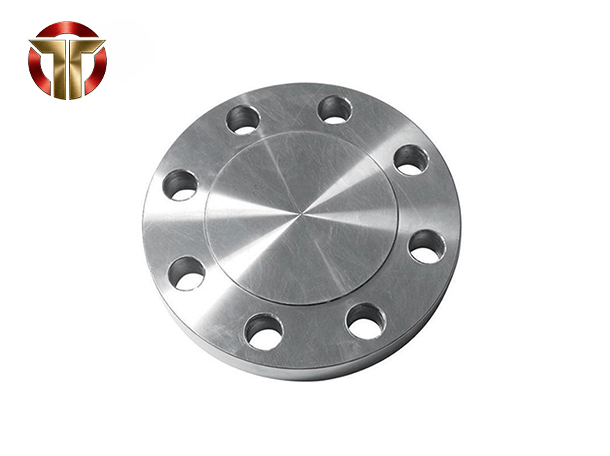
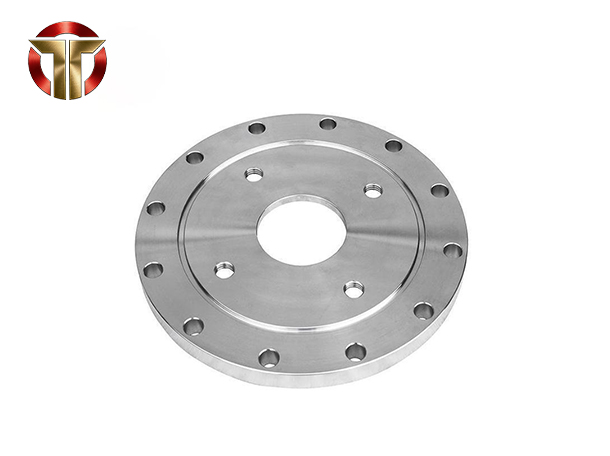
1. Blind Flanges
Used for terminating or isolating piping systems, blind flanges are essentially boltable blank discs. When installed properly and combined with the correct gaskets, they can achieve an outstanding seal which is easy to remove when needed.
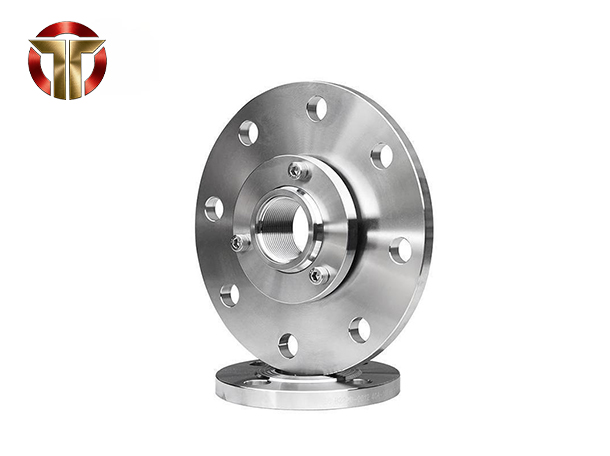
2. Threaded Flanges
Also known as a screwed flange, this style has a thread inside the flange bore which fits with the matching male thread on the pipe or fitting. The threaded connection means you can avoid welding in many use cases. Simply match the threading to the pipes you wish to connect.
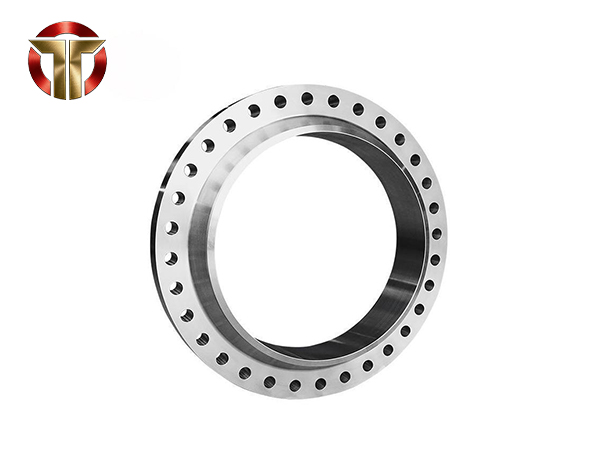
3. Weld Neck Flanges
Like lap joint flanges, weld neck flanges require butt welding for installation. However, their integrity, performance in systems with multiple repeat bends, and the ability to use them in high-pressure and high-temperature systems make them a leading choice for process piping.
Parameters
| Product | Flange |
| Standard | ASTM, AiSi ,GB, DIN, EN ,JIS ,BS |
| Material Capabilities | Stainless steel,Carbon steel,Nickel alloy,Cr-Mo alloy |
| Technique | Cold Drawn, Hot Rolled, Cutting by Plate, Forged |
| Edge | Mill Edge or Slit Edge |
| OD | 1/2″ -24″, or as customer’s requirement |
| Type | Socket weld flange, Thread flange, Blind flange, Slip on flange,etc. |
| MOQ | 10 tons |