Application
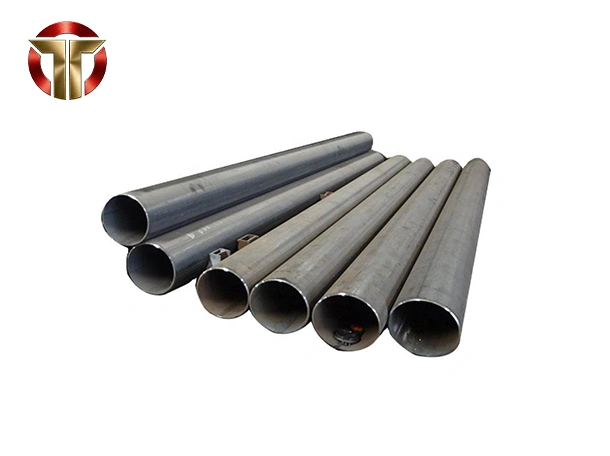
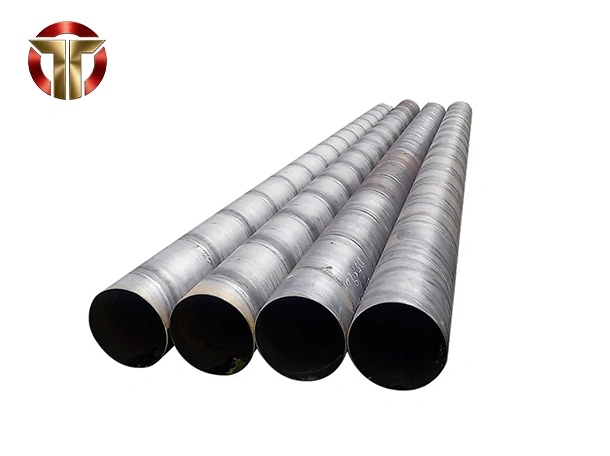
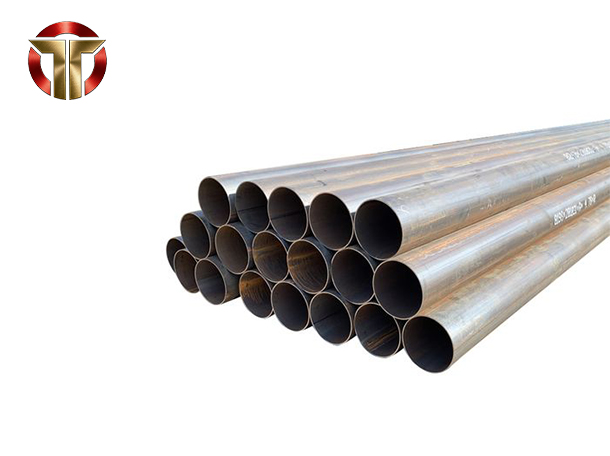
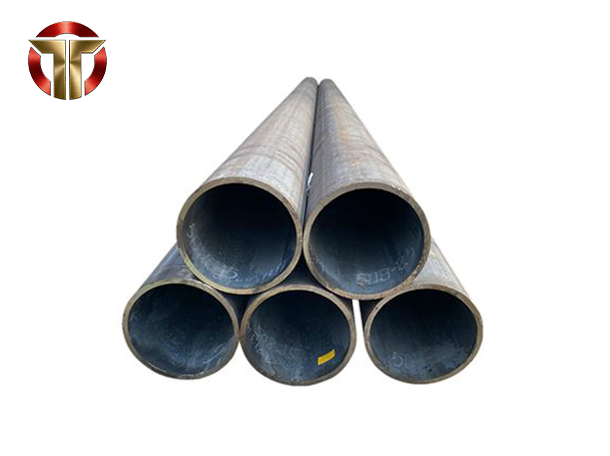
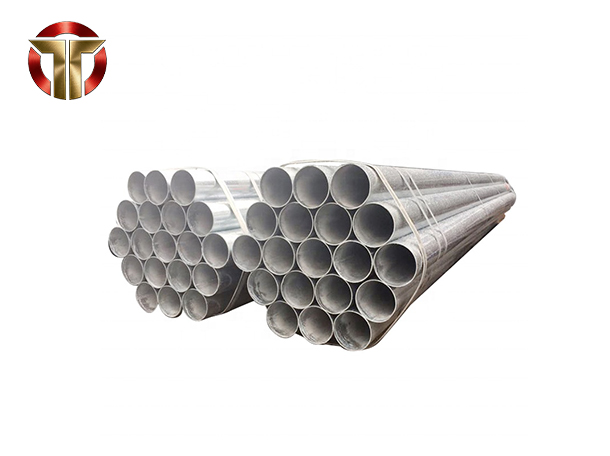
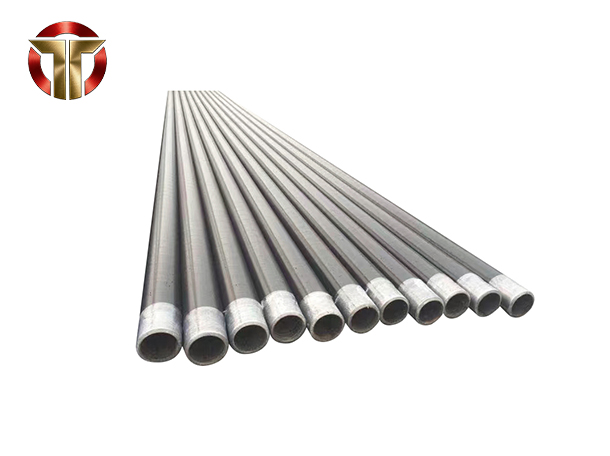
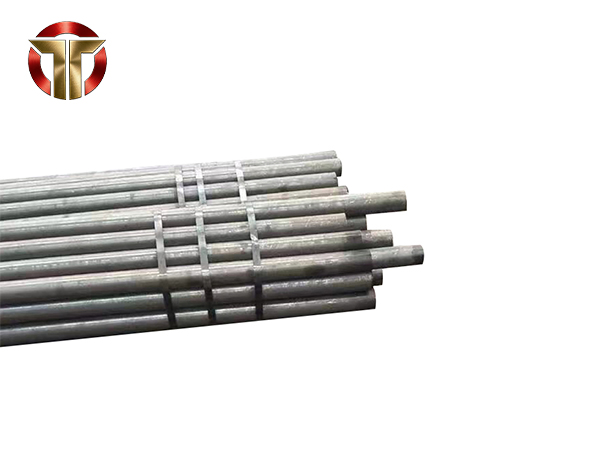
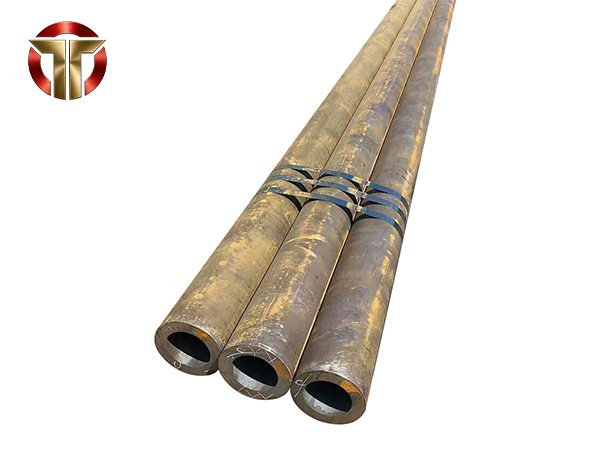
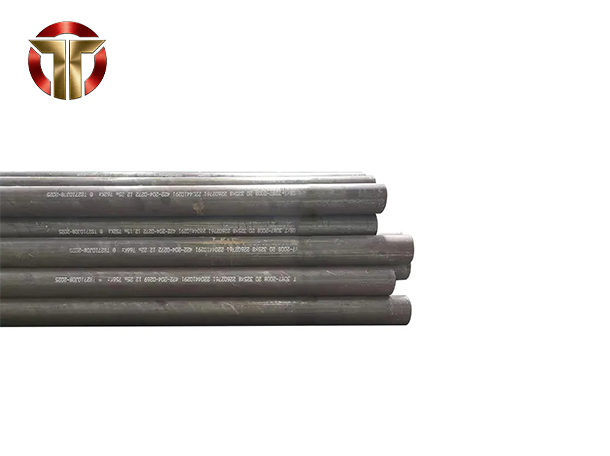
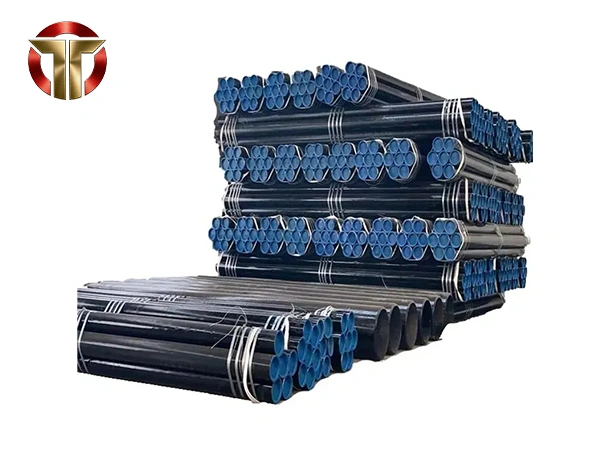
Carbon steel pipe is a widely used steel material, mainly due to its high strength, relatively affordable price, and reliable performance in many industrial applications. Below, I have compiled its performance characteristics, main uses, and some key technical parameters for your reference.
Due to their excellent comprehensive performance, carbon steel pipes are widely used in various sectors of the national economy:
| Application areas | Typical Application Examples |
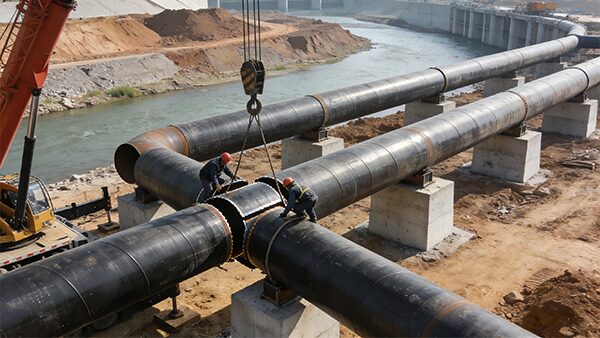
| Fluid transport | Widely used for transporting oil, natural gas, water, steam, and various corrosive media. |
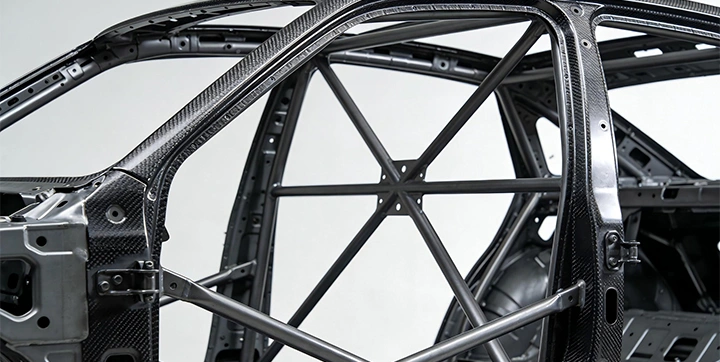
| Mechanical manufacturing | Used to manufacture load-bearing parts such as automotive drive shafts, half shafts, and steering knuckles, as well as various mechanical structural components. |
| Structural Engineering | Used as support columns for construction scaffolding, bridge pillars, steel structure factories, and stadiums, etc. |
| Energy and Chemical Industry | Used in the manufacture of boilers, superheaters, heat exchangers, petroleum cracking equipment, and high-pressure vessels, etc. |
| Shipbuilding | Boilers, pressure piping systems, and hull structures used in ships, etc. |
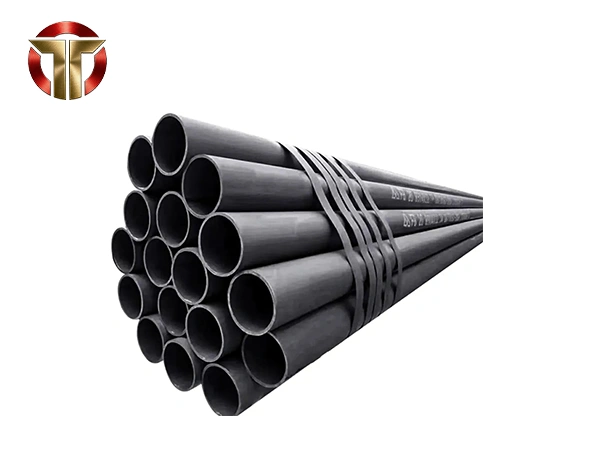
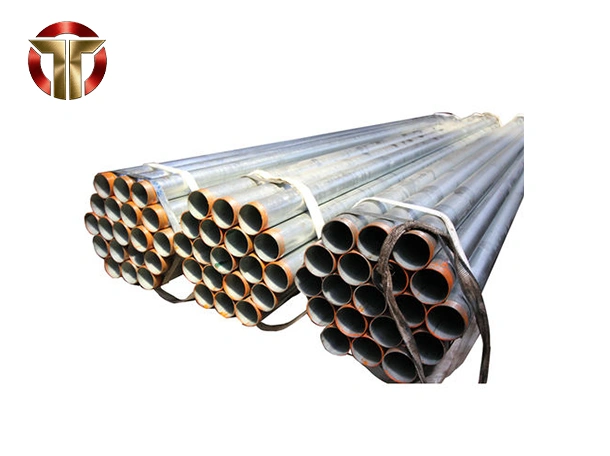
Description
The performance of carbon steel pipes primarily comes from their material composition—mainly iron and carbon, with a carbon content generally above 0.04%, and also containing small amounts of elements such as silicon, manganese, sulfur, and phosphorus. Its core performance advantages are reflected in:
High strength and hardness: Carbon steel pipes have high hardness and strength, and can withstand greater pressure and tension, making them suitable for load-bearing structures and high-pressure environments.
Good wear resistance: Its surface is hard and wear-resistant, making it suitable for conveying highly abrasive materials (such as slurry, fly ash, etc.).
Easy to process and connect: It can be processed by welding, cutting, bending and other methods, and the connection is reliable, making it easy to install and maintain.
Economical and practical: Compared with alloy pipes or stainless steel pipes, carbon steel pipes have lower costs and higher cost performance, making them the preferred material for many projects.
Good thermal conductivity: Carbon steel pipes have good thermal conductivity and can be used in equipment such as heat exchangers.
Parameters
The technical parameters of carbon steel pipes typically include dimensions, chemical composition, and mechanical properties. These parameters can vary depending on the applicable standards (such as Chinese national standard GB/T, American standard ASTM, etc.). Below are some common parameters:
1. Size Specifications
Steel pipe specifications are typically expressed as “outer diameter × wall thickness,” with the unit being millimeters (mm). Their size range is very wide, covering a wide range of needs from precision instruments to large structural components.
| parameter | Typical range | Remark |
| outer diameter | 6mm – 680mm (and even over 1000mm) | Cold-rolled tubes can be as small as 6mm, while hot-rolled tubes are typically larger than 32mm. |
| Wall thickness | 0.25mm – 130mm | Cold-rolled thin-walled tubes can be as thin as 0.25mm, while hot-rolled thick-walled tubes can be up to 130mm thick. |
| length | 6m – 12m | Standard lengths are available, but custom lengths are also possible upon request. |
2. Common Grades and Chemical Compositions
Different grades represent different materials and properties. Carbon content is a key factor determining performance; low-carbon steel (such as No. 10 and No. 20 steel) has good plasticity and weldability, while medium-carbon steel (such as No. 45 steel) has higher strength.
| Commonly used brands | type | Carbon content (C) | Main applications |
| 10, 20 | High-quality low-carbon steel | ≤0.25% | Fluid transport pipeline |
| 45 | High-quality medium carbon steel | 0.42%~0.50% | Mechanical parts, load-bearing components |
| Q235, Q345 (16Mn) | Low alloy structural steel | Depending on the brand | Building structures, bridges, and general engineering projects |
3. Mechanical properties
Mechanical properties are key indicators for measuring whether steel is “strong”, mainly including tensile strength and yield strength.
| Grade/Standard | Tensile strength (MPa) | Yield strength (MPa) | Elongation (%) | Application Examples |
| GB 20 | 410~550 | ≥245 | ≥20 | Fluid pipes, structural pipes |
| GB 45 | ≥600 | ≥355 | ≥16 | mechanical parts |
| A106B (US Standard) | ≥415 | ≥240 | —— | High-temperature fluid pipes |
| Q235 (National Standard) | 370~500 | ≥235 | ≥26 | Building Structure |